
Merchant City Medical Group offers surgical and non-surgical cosmetic procedures, from our state of the art clinics throughout the UK & Europe.

BEARD TRANSPLANT – AFTERCARE INFORMATION FOR PATIENTS

This leaflet provides general guidance to help you understand what to expect after your beard transplant procedure. Healing varies between patients, so your recovery may differ slightly. Please follow the advice given by your clinical team and refer to these instructions during the healing period.

Before you leave the hospital
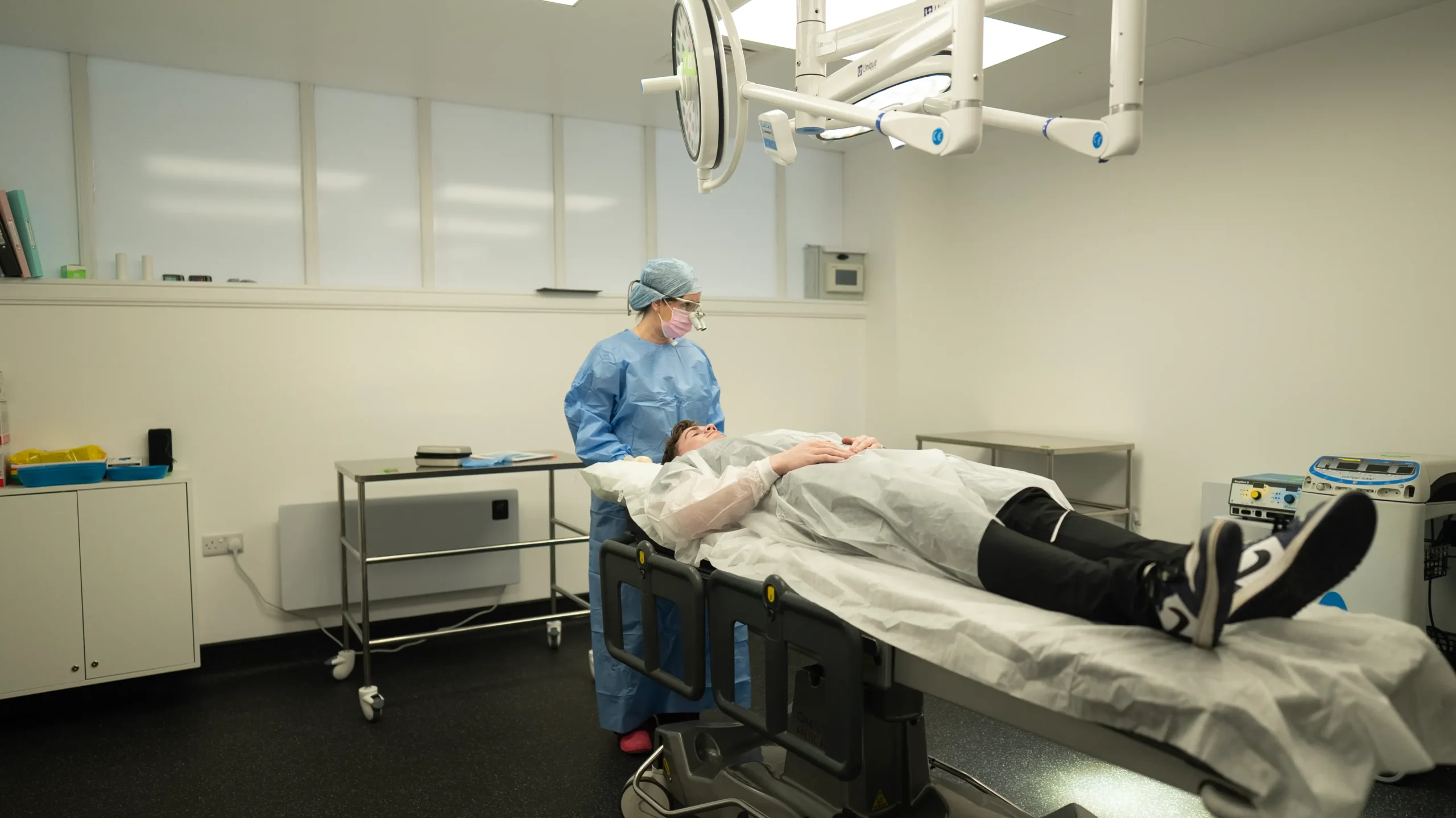
You will receive aftercare products and instructions before discharge. Please ensure you understand how to clean and care for the transplanted area.
Avoid touching the transplanted grafts and follow the washing instructions provided by your clinical team.

General Informations

The transplanted beard follicles are delicate during the early stages of healing. It is normal to see redness, mild swelling and small scabs forming around the grafts.

The donor area may feel tender for several days.


  • Mild swelling or redness may occur.
  • Small scabs will form around transplanted hairs.
  • Mild tenderness in the donor area is normal.
  • The appearance during the first few days is not the final result.


  • Clean the beard area gently according to your clinic instructions.
  • Avoid rubbing or scratching the transplanted hairs.
  • Avoid strong water pressure directly onto the grafts.
  • Allow the area to air dry naturally.


For the first two weeks avoid strenuous activity, heavy sweating and activities that may disturb the grafts.

Light activity such as walking is generally acceptable.


Sleep on your back where possible during the early healing period to avoid pressure on the transplanted beard area.


Most patients return to normal work and daily routines within several days, depending on the nature of their job.

Avoid shaving the transplanted beard until the grafts have settled, usually around 10–14 days.


  • Redness around grafts
  • Small scabs
  • Mild itching
  • Tender donor area
  • Temporary shedding of transplanted hairs


Hair Growth Timeline

  • Weeks 6–8: Transplanted hairs may shed temporarily.
  • Month 3: New beard hair growth begins.
  • Months 6–9: Beard density improves.
  • Up to Month 15: Final results continue to develop.
When to Seek Medical Advice

Please contact the clinic if you experience:
  • Increasing redness or swelling
  • Pus or discharge
  • Bleeding that does not stop
  • Severe pain or signs of infection

Follow-Up Appointment
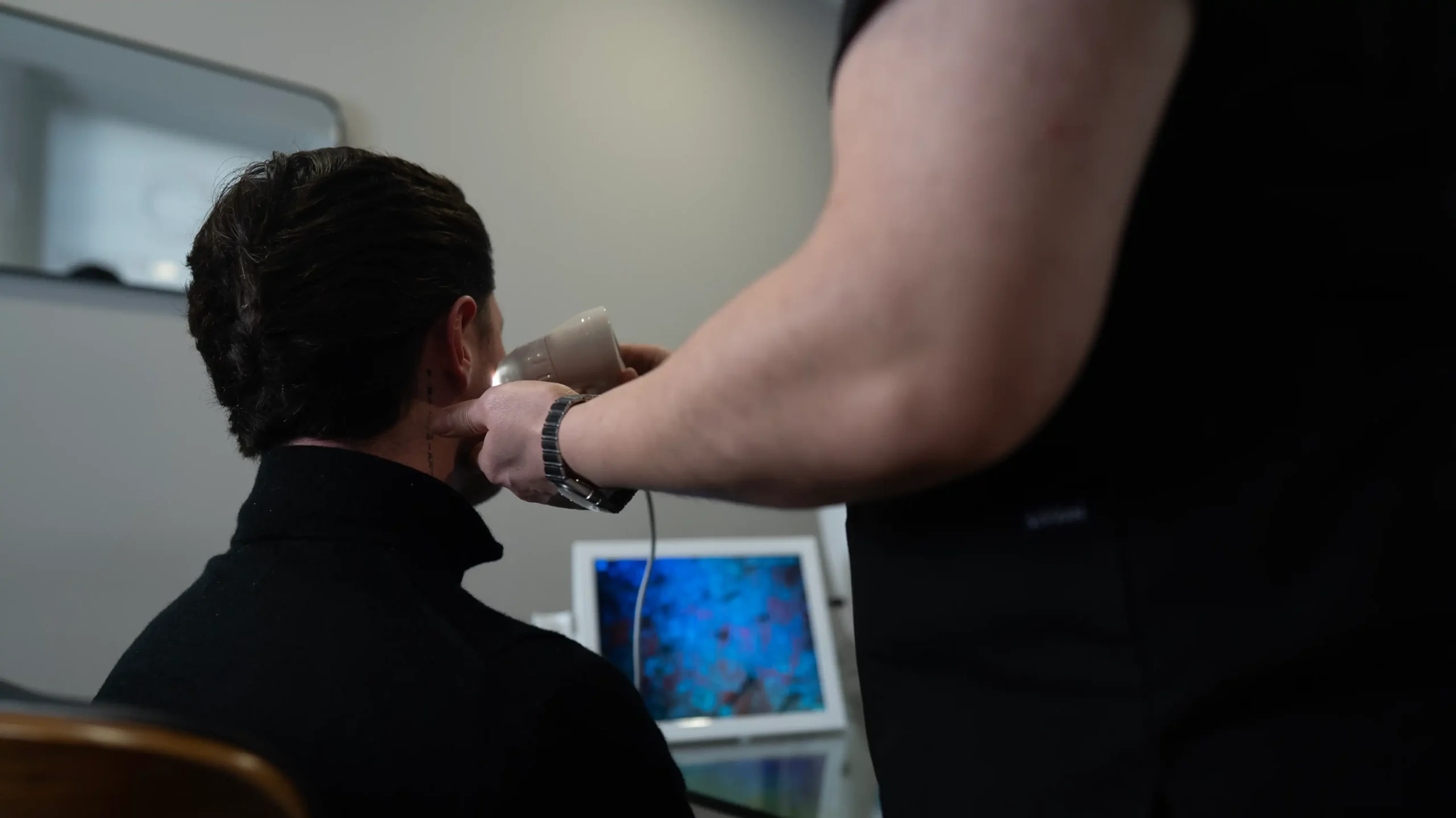
Your clinical team may recommend review appointments to monitor healing and beard growth.
We’re Here to Support You

If you have any concerns about your recovery, please contact Merchant City Medical Group.

Related Hair Restoration Treatments

Merchant City Medical Group provides several hair restoration procedures in Glasgow, including:

Excellence Record

Merchant City Medical Group is proud to be one of the leading providers of Hair Transplant Surgeries and Medical Aesthetics within the UK and Europe. With our extensive team of expert surgeons, nurse practitioners and consultants, you will be met with the utmost dedication and compassion throughout your journey with us.

Book a Free Consultation

Enter all details and submit the form and we will get back to you.
I consent to being contacted via WhatsApp for appointment reminders, updates, and relevant information. Message Frequency varies based on the treatment. text: STOP to stop.

Cosmetic Procedure Screening Questionnaire

It can be used as a screening questionnaire to tell whether you might have BDD.

1) How often do you do you deliberately check your feature(s)? Not accidentally catch sight of it. Please include looking at your feature in a mirror or other reflective surfaces like a shop window or looking at it directly or feeling it with your fingers.
2) To what extent do you feel your feature(s) are currently ugly, unattractive or ‘not right’?
3) To what extent does your feature(s) currently cause you a lot of distress?
4) How often does your feature(s) currently lead you to avoid situations or activities?
5) To what extent does your feature(s) currently preoccupy you? That is, you think about it a lot and it is hard to stop thinking about it?
6) If you have a partner, to what extent does your feature(s) currently have an effect on your relationship with an existing partner? (e.g. affectionate feelings, number of arguments, enjoying activities together). If you do not have a partner, to what extent does your feature(s) currently have an effect on dating or developing a relationship?
7) To what extent does your feature(s) currently interfere with your ability to work or study, or your role as a homemaker? (Please rate this even if you are not working or studying: we are interested in your ability to work or study.)
8) To what extent does your feature(s) currently interfere with your social life? (with other people, e.g. parties, pubs, clubs, outings, visits, home entertainment)
9) To what extent, do you feel your appearance is the most important aspect of who you are?

Do I have BDD?

Body Dysmorphic Disorder

You have scored 0

When you score more than 40 points, this is an indication that you likely have Body Dysmorphic Disorder. However, this is not a formal diagnosis. This test can also be used after a treatment to see if symptoms have improved.

What now?

For more information on BDD and support, you can contact us.

If you are a UK resident, we suggest:

    • reaching out to your GP for more help
    • self-refer to NHS Talking Therapies.

When speaking to a health professional, you may present your clinic history or a printed form to clearly outline the symptoms you’ve experienced.