
Burning Scalp Hair Loss: Causes, Diagnosis, and Treatment
Burning Scalp Hair Loss:
Causes, Diagnosis, and Treatment
Even though a burning feeling on your scalp might be uncomfortable on its own, it becomes even more worrisome when combined with hair loss. You may experience greater shedding on your pillow or in the shower, as well as tingling, stinging, or discomfort when you touch your scalp. It’s easy to panic and assume the worst.
The truth is, a burning scalp with hair loss is not a condition in itself—it’s a symptom of an underlying issue. This could range from temporary triggers like stress or irritation to more complex conditions involving inflammation, hormones, or even the immune system.
The good news? Many causes of burning and scalp hair loss are treatable and reversible when caught early. However, in cases where hair follicles are permanently damaged, solutions like a hair transplant procedure may come into play.
In this guide, we’ll break down exactly what causes burning scalp hair loss, how it’s diagnosed, and the most effective treatment options—so you know when to act and what to expect.
What Does a Burning Scalp with Hair Loss Feel Like?
A burning scalp paired with hair loss can feel confusing, especially when the symptoms don’t always match what you see in the mirror. Understanding how it typically presents can help you recognise early warning signs and take action sooner.
So What Does that Burning Sensation Actually Feel Like?
A burning scalp can show up in different ways depending on the person. Some people describe it as a stinging or hot sensation, while others feel tingling or a “pins and needles” effect. You might also notice tenderness when touching your scalp or even a crawling, itchy feeling. What makes it confusing is that sometimes the scalp looks completely normal—even when it feels very uncomfortable.
Common Hair Loss Patterns that may Appear
Hair loss frequently has a discernible pattern when the burning sensation is present. You may find that more hair is falling out than usual, especially after washing or brushing. Also, one may see patches or a gradually receding hairline in some situations, while the hair thins uniformly across the scalp in others. The pattern frequently depends on the underlying cause of the problem.
Why Scalp Discomfort and Hair Loss Often Occur Together
The scalp is a sensitive area filled with both hair follicles and nerve endings. When something irritates or disrupts the scalp—like inflammation, stress, or infection—it can affect both at the same time. That’s why you may feel discomfort while also experiencing shedding. In many cases, the burning sensation is actually your body’s early warning sign.
What Causes Burning Scalp Hair Loss?
Burning scalp hair loss can stem from a variety of underlying issues, ranging from temporary triggers to more complex medical conditions. Understanding the possible causes is the first step toward finding the right treatment and preventing further hair loss.
One of the most common causes is a condition often referred to as burning scalp syndrome or trichodynia. Interestingly, this condition doesn’t always show visible signs on the scalp. Instead, it’s closely linked to stress, anxiety, or emotional strain. People experiencing sudden hair shedding—like telogen effluvium—often report this type of discomfort, which is believed to be related to increased nerve sensitivity.
A lot of the time, the reason is something that happens right on the skin. Scalp irritation and burning can be caused by conditions like psoriasis, folliculitis, dandruff-related inflammation, or even fungal infections. Over time, these disorders can weaken hair follicles, especially if treatment is delayed. This might result in visible hair loss.
Sometimes, the body mistakenly attacks its own hair follicles, leading to autoimmune-related hair loss. Conditions like alopecia areata or lupus can cause patchy hair loss along with scalp sensitivity. In these situations, the burning or discomfort may be linked to inflammation happening beneath the surface.
Not all burning sensations come from the skin itself. In some cases, the nerves in the scalp become overly sensitive or slightly damaged, leading to a persistent burning or tingling feeling. What makes this tricky is that there may be no visible redness or irritation, even though the discomfort is very real.
Sometimes the cause is more straightforward. Harsh hair treatments, chemical dyes, excessive heat styling, or even sunburn can irritate the scalp. These external factors can disrupt the scalp’s natural balance, leading to both discomfort and temporary hair shedding.
Hair loss and scalp sensitivity can both be significantly influenced by hormonal fluctuations. Thyroid issues, menopause, postpartum changes, or certain medications can all trigger thinning hair along with unusual scalp sensations. In these cases, the changes tend to happen gradually rather than suddenly.
Your daily habits matter more than you might think. A lack of essential nutrients like iron or protein can weaken your hair and make your scalp more sensitive. On top of that, chronic stress can worsen both hair shedding and scalp discomfort, creating a cycle that’s hard to break without intervention.
Is Burning Scalp Hair Loss Temporary or Permanent?
Whether burning scalp hair loss is temporary or permanent depends largely on the underlying cause and how early it’s treated. Understanding the difference can help you manage expectations and choose the most effective path to recovery.
When is it Likely to Grow Back on Its Own?
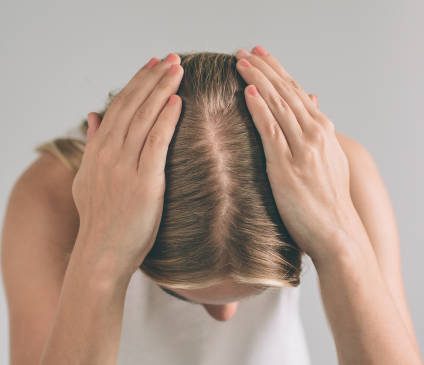
The encouraging news is that many cases of burning scalp hair loss are temporary. If the cause is stress, a nutritional deficiency, or mild irritation, hair often starts to regrow once the underlying issue is addressed. This process can take a few months, but it’s usually reversible.
When Does it Become Permanent?
When the hair follicles are irreversibly destroyed, hair loss becomes more severe. Scarring alopecia and chronic, uncontrolled inflammation are two disorders that can cause this. Regrowth is improbable without surgical intervention since once the follicles are destroyed, they are unable to create new hair.


Warning signs that require medical attention
It’s important not to ignore persistent symptoms. If you notice ongoing burning, visible bald patches, redness, scaling, or signs of scarring, it’s a good idea to seek medical advice. These signs could indicate a more serious condition that needs early treatment.
How is Burning Scalp Hair Loss Diagnosed?
Diagnosing burning scalp hair loss starts with identifying what’s happening beneath the surface rather than just treating the symptoms. A thorough assessment aids in determining the precise reason, which facilitates the selection of the best course of action.
How is Burning Scalp Hair Loss Diagnosed?
What will a Doctor ask you First?
Diagnosis usually starts with a detailed conversation. A doctor will want to understand when your symptoms began, whether you’ve been under stress, your diet, and whether there’s a family history of hair loss. These details help narrow down possible causes.
What Does a Scalp Examination Involve?
The scalp is then carefully inspected for obvious symptoms including redness, irritation, infection, or odd hair patterns. This phase aids in identifying if the problem is skin-related or more serious.
Do you Need Tests to Confirm the Cause?
In some cases, additional tests are needed. Blood tests can check for iron levels or thyroid problems, while a scalp biopsy may be used to examine the follicles more closely. These tests help provide a clear and accurate diagnosis.
Treatment Options for Burning Scalp Hair Loss
Treating burning scalp hair loss isn’t about a one-size-fits-all solution—it depends on what’s causing the problem in the first place. Once the root cause is identified, the right combination of treatments can relieve discomfort and support healthy hair regrowth.
How do you treat the Root Cause?
The most effective treatment always focuses on what’s causing the problem. This might mean using antifungal treatments for infections, anti-inflammatory medications for scalp conditions, or hormonal therapy if there’s an imbalance. Treating the main cause is key to stopping both the burning and the hair loss.
What Can Help Your Hair Grow Back?
For regrowth, treatments like minoxidil are commonly used to stimulate the hair follicles. In some cases, medications that target hormonal imbalances may also be recommended. These treatments take time but can significantly improve hair density.
How can You Relieve the Burning Sensation?
To ease discomfort, medicated shampoos and topical treatments can be very helpful. Some products are designed specifically to calm irritation and restore scalp balance, making daily life more comfortable while treatment is ongoing.
Lifestyle changes that support recovery
Yes—small changes can have a big impact. Eating a balanced diet rich in protein and iron, managing stress, and avoiding harsh hair practices can all support recovery. These habits not only help your scalp heal but also improve overall hair health.
Hair transplants can be an effective solution in some cases of burning scalp hair loss, but they are not suitable for everyone. Their success depends on whether the underlying cause has been treated and whether the hair loss is permanent or still active.
When is a Hair Transplant not the Right Choice?
Hair transplants are not suitable in the early stages, especially if the scalp is still inflamed or the hair loss is temporary. Performing a transplant too soon can lead to poor results because the underlying issue hasn’t been resolved.
Cases where hair transplants may be suitable
A hair transplant becomes an option when the hair loss is permanent and the condition has stabilised. This is often the case in scarring alopecia or after burns that have damaged the follicles beyond repair. In these situations, a transplant can restore hair in areas where it can no longer grow naturally.
Can Hair Transplants Help with Burning Scalp Hair Loss?
Key considerations before undergoing a transplant
Before choosing a transplant, it’s important to ensure that your scalp is healthy and that the underlying cause has been fully treated. You’ll also need enough donor hair for the procedure. A specialist evaluation is essential to determine if you’re a good candidate.
Hair transplants can provide natural-looking, long-term results, especially when done under the right conditions. However, they don’t treat the original cause of hair loss—they simply restore hair in affected areas. Results vary from person to person depending on several factors.
Prevention starts with gentle care. Avoid harsh chemicals, limit heat styling, and protect your scalp from sun exposure. Using mild, scalp-friendly products can help maintain a healthy environment for hair growth.
Prevention starts with gentle care. Avoid harsh chemicals, limit heat styling, and protect your scalp from sun exposure. Using mild, scalp-friendly products can help maintain a healthy environment for hair growth.
Absolutely. Your hair needs specific nutrients to grow strong and healthy. Maintaining good levels of iron and protein, along with staying hydrated, can reduce the risk of both hair loss and scalp sensitivity.
Stress plays a major role in many scalp conditions. Finding ways to relax—whether through exercise, meditation, or better sleep—can reduce both burning sensations and hair shedding over time.
Knowing when to seek professional medical help can make a big difference in preventing long-term hair loss or scalp damage. If symptoms persist or worsen, getting professional advice early can help you find the right treatment and avoid complications.
If the burning sensation becomes severe, lasts for a long time, or is accompanied by rapid hair loss or visible scalp damage, it’s important to seek medical advice. These signs shouldn’t be ignored.
You have a better chance of fixing the issue if you find the source as soon as possible. Early intervention can enhance your overall outcome and stop long-term harm.
Final Thoughts: Don’t Ignore a Burning Scalp
A burning scalp with hair loss is often a sign that something deeper needs attention. While many causes are treatable, delaying care can increase the risk of permanent damage.
Getting a correct diagnosis as soon as possible and adhering to the appropriate treatment plan is the best course of action. And if your hair loss turns out to be permanent, options like hair transplants can help restore your hair and confidence.
For expert guidance, clinics like Merchant City Medical Group offer personalised care—from diagnosis to advanced hair restoration—ensuring you get safe and effective results.
At Merchant City Medical Group, you can get a personalised assessment of your hair loss and explore options tailored to your stage, pattern, and goals—whether that’s medical treatment, hair restoration, or a combination of both.
Taking that first step could be the difference between continued thinning and confidently restoring your hair.
More Articles
Excellence Record
- 30+ Years of combined experience
- 10 + Experts
- 1000 + Satisfied Patients