
Menopause and Hair Changes: What Happens and Can Hair Transplants Help?
Menopause and Hair Changes:
What Happens and Can Hair Transplants Help?
Menopause is often talked about in terms of hot flashes, mood swings, and sleep changes—but what if one of the most noticeable shifts shows up in the mirror instead? For many women, hair changes become one of the most surprising and frustrating parts of this transition.
It doesn’t always happen overnight. At first, it might be something subtle—your ponytail feels a little thinner, your part line slightly wider, or your hair just doesn’t have the same volume and bounce it used to. Then gradually, you start to wonder: Is my hair actually thinning? And will it keep getting worse?
What makes it even more confusing is that these changes don’t always look the same for everyone. Some experience slow thinning, others notice increased shedding, while a few deal with more defined hairline changes. So what’s really going on—and more importantly, can anything be done about it?
The first step is to comprehend the relationship between menopause and changes in hair. From there, you can explore the treatments available today—including whether solutions like hair transplants might be the right fit for you.
What Happens to Your Hair During Menopause?
Menopause doesn’t just affect your body internally—it also changes how your hair looks and behaves. These changes are often gradual, which is why they can go unnoticed at first.
Why Does your Hair Suddenly Feel Different
During menopause, your hair doesn’t just fall out—it changes in personality. It may feel like it’s lost its strength, shine, and volume all at once.
You might find yourself thinking:
- “Why does my hair feel so dry all of a sudden?”
- “Why isn’t it growing as fast as before?”
- “Why does it look thinner even when I style it?”
What’s really happening is a mix of slower growth and increased shedding. So even if you’re not seeing dramatic hair fall, your hair gradually becomes less dense over time.
Subtle Signs you Might Start Noticing
Instead of obvious bald patches, the changes are usually more gradual and spread out:
- Your parting line starts to widen
- The crown area looks flatter
- Your ponytail feels smaller when you tie it
It’s not always dramatic, but it’s definitely noticeable.
The Science Behind Menopause Hair Loss
To really understand these changes, it helps to look at what’s happening beneath the surface. Hormonal shifts during menopause directly affect how your hair grows, sheds, and regenerates.
The Role of Declining Estrogen
As oestrogen levels drop, your hair spends less time in its growth phase. That means strands fall out sooner than they used to, and new ones take longer to replace them.
The Impact of Androgens on Hair Follicles
At the same time, male hormones (androgens) become more dominant, and they don’t treat your hair kindly.
Over time, you may notice:
- Hair strands are becoming finer and weaker
- Growth cycles are getting shorter
- Hair not “bouncing back” the way it used to
Changes Happening at the Scalp Level
There are also changes happening at the scalp level. Blood flow slows down slightly, and nutrients don’t reach the follicles as efficiently.
Think of it like a plant that’s no longer getting the same level of care—it doesn’t die immediately, but it definitely doesn’t thrive.
Types of Hair Loss Linked to Menopause
Not all menopausal hair loss is the same. Selecting the appropriate treatment depends on determining the type you’re dealing with.
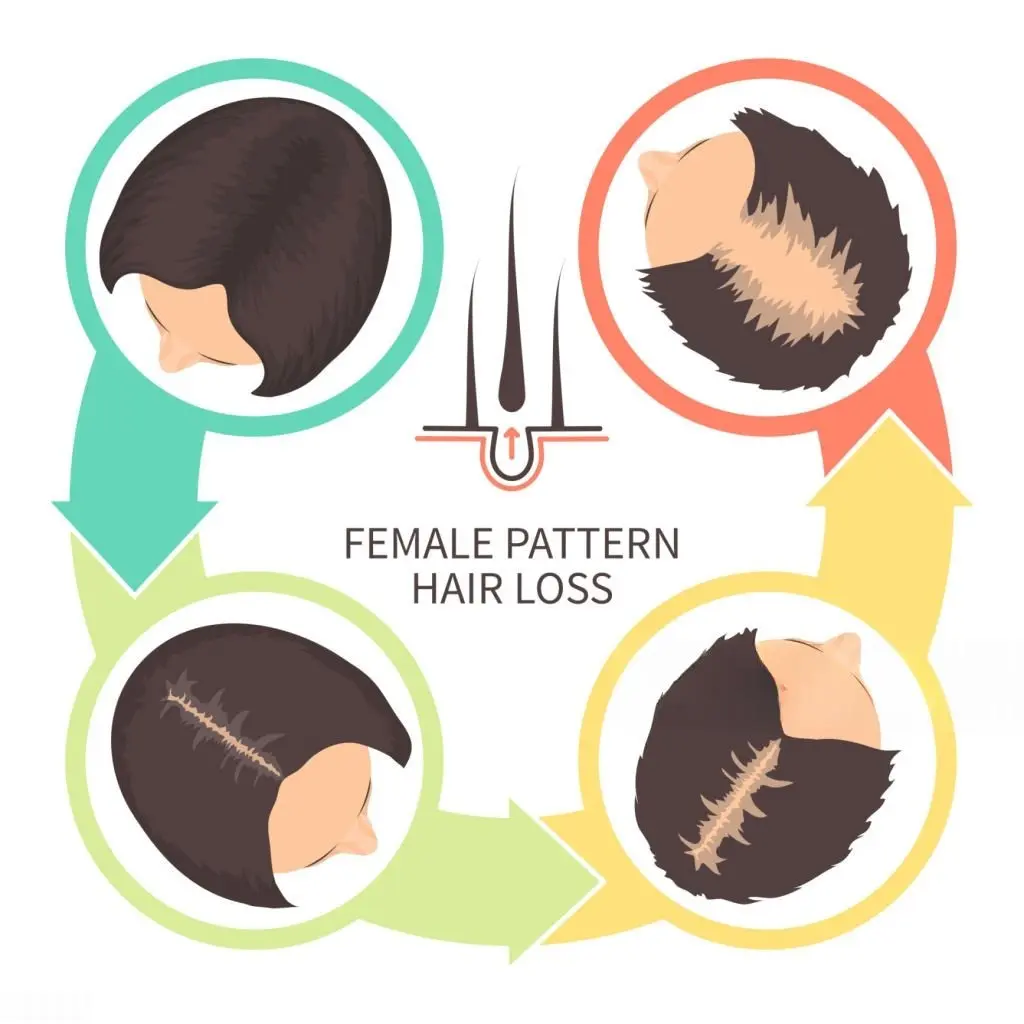
Female Pattern Hair Loss (FPHL)
Female pattern hair loss, which manifests as progressive thinning rather than abrupt shedding, is the most prevalent form. It typically starts at the crown or portion line and progresses gradually over time.
Telogen Effluvium (temporary shedding)
Telogen effluvium, on the other hand, is more abrupt. You might notice more hair on your pillow, in the shower, or on your brush.
The reassuring part? This type is often temporary and can improve once your body stabilises.
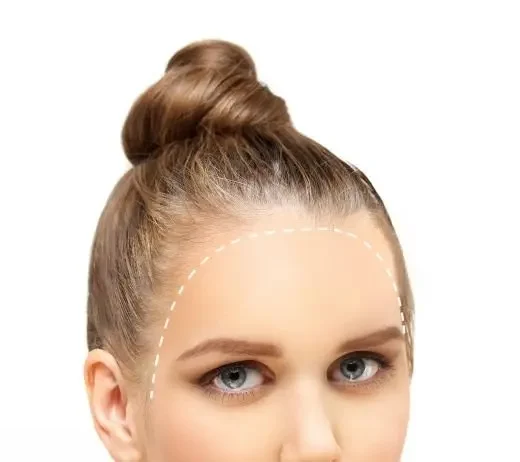
Frontal Fibrosing Alopecia (FFA)
A less common—but more serious—condition is frontal fibrosing alopecia. This affects the hairline and can lead to permanent hair loss if not treated early.
If you notice your hairline moving back, it’s worth getting checked sooner rather than later.
What Makes Hair Loss Worse During Menopause?
Underlying Triggers that Accelerate Thinning
For example, you might already have a genetic tendency toward thinning hair—and menopause simply speeds things up. Or maybe stress, diet, and lifestyle begin to play a bigger role than they used to.Everyday Habits that may be Contributing
You might recognise some of these in your own routine:- Skipping meals or not getting enough protein
- Feeling constantly stressed or overwhelmed
- Noticing low energy levels (which can point to nutrient deficiencies)
The Emotional Side of Hair Changes
Hair loss isn’t just a physical change—it can also affect how you feel about yourself. For many women, it’s deeply tied to confidence and identity.
Why Hair Loss Feels So Personal
Hair is personal. It’s tied to how you see yourself, how you present yourself, and even how confident you feel walking into a room.
How can it affect confidence and daily life
You might catch yourself:
- Avoiding certain hairstyles
- Spending more time trying to cover thinning areas
- Feeling less confident than you used to
And that’s completely valid. For many women, this is the point where they start seriously looking into solutions—not just for appearance, but for peace of mind.
Treatment Options for Menopausal Hair Loss
The good news is that there are several ways to manage and improve hair loss during menopause. Most treatment plans start with non-surgical approaches before considering advanced solutions.
Non-Surgical treatments to start with
Treatments like minoxidil, PRP, or even hormone therapy can help slow things down and strengthen what you still have. They don’t work overnight, but with consistency, they can make a noticeable difference.
Lifestyle changes that support hair Health
At the same time, small lifestyle adjustments can support your results more than you might expect:
- Eating enough protein so your hair has the building blocks to grow
- Making sure your iron and vitamin levels are adequate
- Being gentler with your hair—less heat, less tension, less damage
It’s not about doing everything perfectly—it’s about giving your hair a better environment to recover.
In some cases, hair thinning doesn’t fully reverse on its own. Understanding when hair loss becomes long-term helps you decide when to explore more permanent solutions.
Signs your Hair may not Grow Back Naturally
You might notice:
- Certain areas stay thin no matter what you try
- Hair continues to get finer over time
- Visible scalp that doesn’t improve
Why Do Follicles Stop Producing Healthy Hair
This usually happens when hair follicles have gradually weakened to the point where they can no longer produce healthy strands.
That’s often the point where people start exploring more long-term solutions.
When Hair Loss Becomes Permanent
Can Hair Transplants Help Menopausal Hair Loss?
Hair transplants are often seen as a long-term solution—but they’re not always the first step. Knowing how they work and who they’re for is essential before making a decision.
A hair transplant works by taking strong, healthy follicles (usually from the back of your scalp) and moving them to areas where the hair has thinned. These donor hairs are naturally more resistant to hormonal changes, which means they continue to grow even after being relocated.
You’re more likely to be a good candidate if:
- Your hair loss has stabilised
- You still have a healthy donor area
- Your condition is non-scarring.
On the other hand, if your hair is still actively shedding or thinning all over, a transplant might not give you the results you’re hoping for—at least not yet.
Hair Transplant Vs Medical Treatment: What Comes First?
Many people assume they have to choose between hair transplant and treatments, but that’s not always the case. In reality, these approaches often work best when combined strategically.
Understanding How The Two Work Together
Medical treatments help you hold on to the hair you still have, while a transplant helps you bring back what’s already gone.
In many cases, the best results come from combining both—stabilising the hair first, then restoring density where needed.
What Results Can You Expect?
Before committing to any treatment, it’s important to understand what kind of results are realistic. This helps set the right expectations and avoid disappointment.
What a Successful Outcome Looks Like
When done at the right time and for the right reasons, a hair transplant can make a noticeable difference.
You can expect:
- Fuller-looking hair in thinning areas
- Better overall density
- Natural-looking outcomes that complement your current hairstyle
Because these cases are more complex, they are often more expensive than standard hair transplants.
Setting Realistic Expectations
But it’s important to keep expectations realistic. A transplant improves what’s there—it doesn’t completely reset your hair to what it was in your 20s.
When Should You See a Specialist?
If you’re unsure whether your hair changes are normal, it’s always worth getting professional advice. Early guidance can make a big difference in your results.
Signs It’s Time To Get Professional Advice
Pay attention if you notice:
- Shedding that feels excessive or unusual
- Thinning that seems to be getting worse quickly
- Changes around your hairline
- Any scalp discomfort
Getting the right diagnosis early can save you time, stress, and unnecessary trial-and-error.
Hair changes during menopause can feel frustrating, confusing, and sometimes even discouraging. But they’re also very common—and more importantly, manageable.
- You’ll get natural-looking results that blend in smoothly with your existing hair.
That’s where treatments—and in some cases, hair transplants—can make a real difference. The key is understanding what’s happening with your hair and taking action early.
It could be time to consult a specialist if you begin to notice thinning, shedding, or changes that don’t appear to get better. Selecting a treatment that truly works for you can be greatly influenced by receiving the correct diagnosis.
At Merchant City Medical Group, you can get a personalised assessment of your hair loss and explore options tailored to your stage, pattern, and goals—whether that’s medical treatment, hair restoration, or a combination of both.
Taking that first step could be the difference between continued thinning and confidently restoring your hair.
More Articles
Excellence Record
- 30+ Years of combined experience
- 10 + Experts
- 1000 + Satisfied Patients