


Professional Arm Lift Surgery
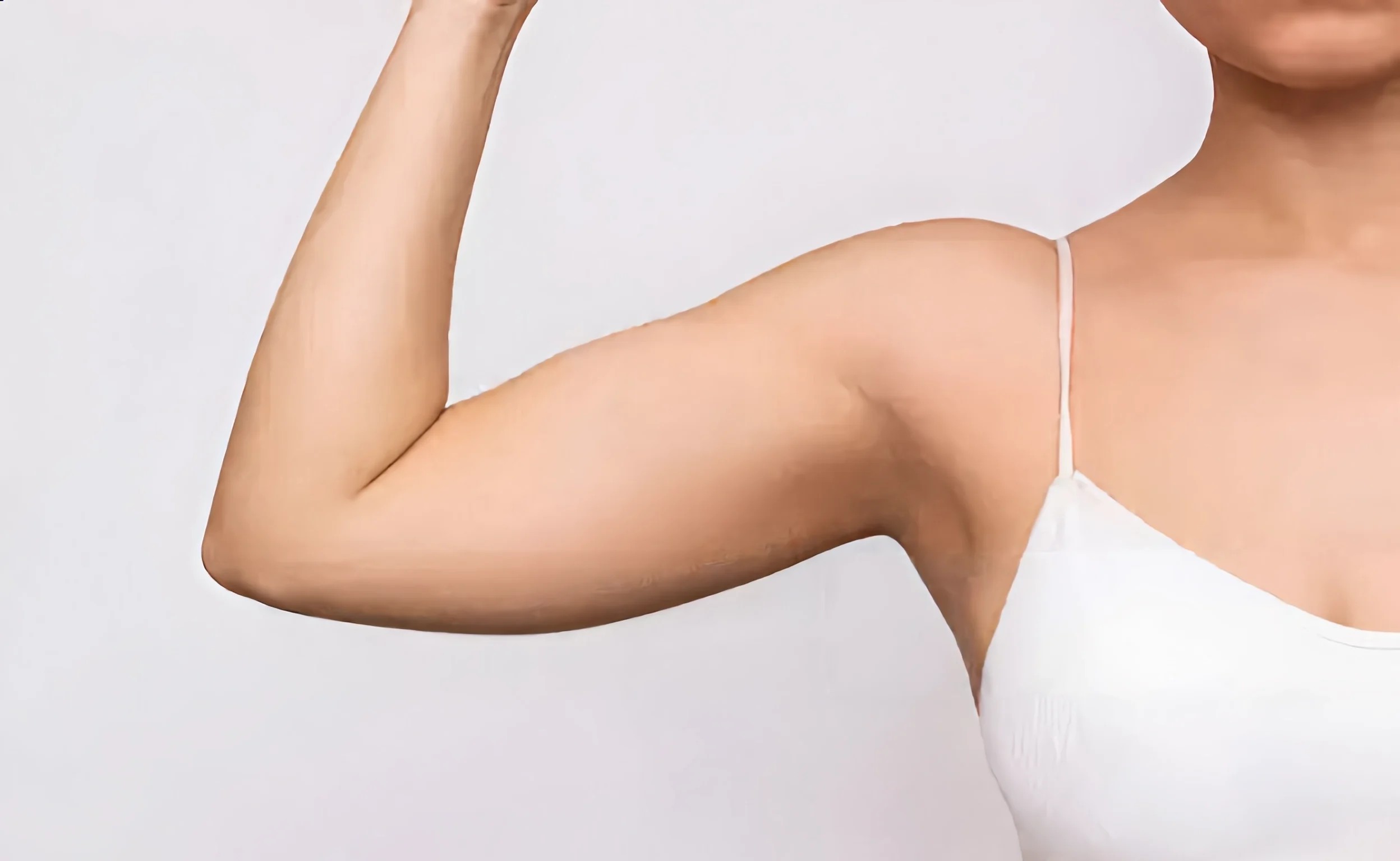
If loose or sagging skin on your upper arms affects your confidence, an arm lift (brachioplasty) can help restore a firmer, more contoured appearance. This procedure addresses excess skin and fat caused by aging, weight loss, or genetics. At Merchant Group Medical, Dr Will Anderson, a GMC Specialist Register Consultant Plastic Surgeon with extensive experience since 2008, provides personalised treatments to help patients achieve smoother, more toned arms.
Procedure overview
TYPE OF ANAESTHETIC
General
LENGTH OF SURGERY
2 Hours
HOSPITAL STAY
0 – 1 day
RECOVERY
2–3 weeks off work, 6 weeks before strenuous exercise

Procedure types
Liposuction is ideal for patients with fatty tissue but minimal excess skin and good skin elasticity, allowing the skin to retract naturally after fat removal. It is less effective when there is significant loose skin or poor skin quality.
For patients with excess skin or reduced elasticity, surgical removal of skin and fat is the most effective option. While this does result in scars, they are usually positioned toward the back of the arms and are not noticeable when the arms are at rest. Understanding the nature of the scarring is essential before proceeding with this surgery.
What are the risks?
Very common after surgery and usually takes 2–3 weeks to subside.
Small areas of the wound may take longer to heal, sometimes requiring dressings for several weeks.
Scars are permanent. The length and quality of scarring are the main downside of arm lift surgery. Scars typically take 2–3 years to fully mature, and a small number of patients may experience poor scarring.
Patches of numbness on the inner arm are common. Most improve over time, though small areas may remain permanently numb.
Minor differences between arms are common.
Some residual skin may remain, or in rare cases, too much skin removal can affect healing. The surgeon aims for the optimal balance.
Relatively uncommon and usually treated with antibiotics.
A collection of blood may form and occasionally requires a return to theatre to drain it.
A small number of patients may need additional surgery to address complications or unsatisfactory results.
Rare but include deep vein thrombosis (1–2 in 100 patients), pulmonary embolism (less than 1 in 100 patients, rarely fatal), and chest infection. The overall risk of a serious adverse outcome from planned general anaesthesia is approximately 1 in 100,000.
Arm Lift Aftercare

Excellence Record
- 30+ Years of combined experience
- 10 + Experts
- 1000 + Satisfied Patients


