Merchant City Medical Group offers surgical and non-surgical cosmetic procedures, from our state of the art clinics throughout the UK & Europe.

Before & After Treatment Results in Glasgow

Explore our gallery of real patient results from treatments provided at Merchant City Medical Group. Our before and after images showcase outcomes from a range of medical and non-surgical aesthetic treatments, including facial rejuvenation, skin treatments, and injectables, all carried out by qualified medical professionals. These authentic, unedited images are intended to help set realistic expectations and reflect our commitment to safe, evidence-based treatments and natural-looking results for patients across Glasgow and Scotland.

Before and after images

All before and after images shown are of real patients treated at Merchant City Medical Group and are shared with full consent. Results vary between individuals and depend on personal factors such as anatomy, skin type, and medical history; outcomes cannot be guaranteed. Images are provided for illustrative purposes only and are intended to support informed discussions during consultation following a full medical assessment.

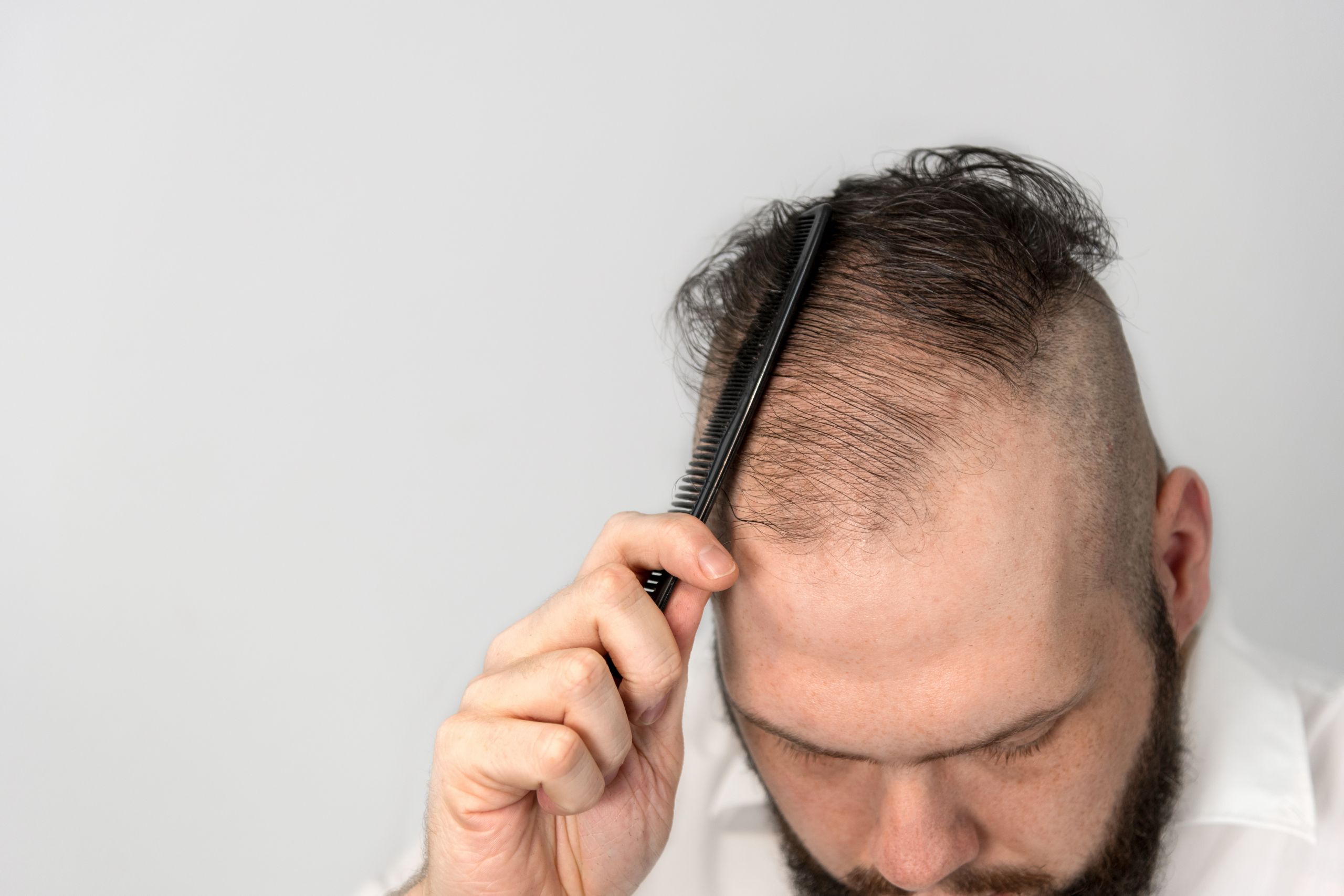
Hair Loss

Hair loss treatment before and after images.

BODY

View our body treatments before and after images…

SKIN

View our skin treatments before and after images…

NON SURGICAL

View our non-surgical before and after images…

Frequently asked questions about before and after images

Before and after images help illustrate the types of results that may be achieved with different treatments. They support informed decision-making by showing realistic outcomes and helping patients understand what is and isn’t possible.

Patient confidentiality is a priority. All images are used with explicit consent, and identifying features may be concealed to protect patient anonymity.

No. Before and after images do not guarantee specific outcomes. Results depend on individual factors such as anatomy, skin condition, medical history, and response to treatment.

When viewing images, look for patients with concerns or features similar to your own. Pay attention to overall improvement and balance rather than perfection. Every individual responds differently to treatment, so results will vary.


Yes. They can be helpful across a range of medical and non-surgical aesthetic treatments, including facial, skin, and hair-related concerns, as they provide visual context for treatment outcomes.


Yes. During your consultation, you may be able to view additional examples relevant to your concerns to support a more personalised discussion.

After images are typically taken once treatment results have stabilised, which may be several weeks or months depending on the treatment. Early images may show temporary swelling or redness and do not always reflect final results.

Yes. During your consultation, you may be able to view additional examples relevant to your concerns to support a more personalised discussion.

Focus on overall improvement, natural-looking results, and how well the treatment has addressed similar concerns. Your clinician will help interpret these results in relation to your individual needs.

Eyelid surgery - I found a great surgeon!

Had mines done last week here. And I can't fault anything from making you feel so welcome as soon as you walk threw the door. The operation it's self I didnt feel a single thing, and recovery has been amazing.I would highly recommend Dr Medjoub
Angela Mackay

Excellence Record

Merchant City Medical Group is proud to be one of the leading providers of Hair Transplant Surgeries and Medical Aesthetics within the UK and Europe. With our extensive team of expert surgeons, nurse practitioners and consultants, you will be met with the utmost dedication and compassion throughout your journey with us.

Book a Free Consultation

Enter all details and submit the form and we will get back to you.
I consent to being contacted via WhatsApp for appointment reminders, updates, and relevant information. Message Frequency varies based on the treatment. text: STOP to stop.

Cosmetic Procedure Screening Questionnaire

It can be used as a screening questionnaire to tell whether you might have BDD.

1) How often do you do you deliberately check your feature(s)? Not accidentally catch sight of it. Please include looking at your feature in a mirror or other reflective surfaces like a shop window or looking at it directly or feeling it with your fingers.
2) To what extent do you feel your feature(s) are currently ugly, unattractive or ‘not right’?
3) To what extent does your feature(s) currently cause you a lot of distress?
4) How often does your feature(s) currently lead you to avoid situations or activities?
5) To what extent does your feature(s) currently preoccupy you? That is, you think about it a lot and it is hard to stop thinking about it?
6) If you have a partner, to what extent does your feature(s) currently have an effect on your relationship with an existing partner? (e.g. affectionate feelings, number of arguments, enjoying activities together). If you do not have a partner, to what extent does your feature(s) currently have an effect on dating or developing a relationship?
7) To what extent does your feature(s) currently interfere with your ability to work or study, or your role as a homemaker? (Please rate this even if you are not working or studying: we are interested in your ability to work or study.)
8) To what extent does your feature(s) currently interfere with your social life? (with other people, e.g. parties, pubs, clubs, outings, visits, home entertainment)
9) To what extent, do you feel your appearance is the most important aspect of who you are?

Do I have BDD?

Body Dysmorphic Disorder

You have scored 0

When you score more than 40 points, this is an indication that you likely have Body Dysmorphic Disorder. However, this is not a formal diagnosis. This test can also be used after a treatment to see if symptoms have improved.

What now?

For more information on BDD and support, you can contact us.

If you are a UK resident, we suggest:

    • reaching out to your GP for more help
    • self-refer to NHS Talking Therapies.

When speaking to a health professional, you may present your clinic history or a printed form to clearly outline the symptoms you’ve experienced.