
What Medications Cause Hair Loss? Drugs Linked to Thinning & Shedding
What medications are known to cause hair loss?
Hair loss resulting from medication use is a distressing and often unexpected side effect that can influence self-confidence, emotional well-being, and a patient’s motivation to continue essential treatments. While this form of hair loss may be irreversible in rare cases, it is most frequently temporary and reversible, particularly when promptly recognised and managed. Importantly, discontinuing prescribed medication should not occur without professional medical supervision, as doing so may carry substantial health risks. This article aims to clarify which medications are most commonly associated with hair loss, analyse their underlying mechanisms of action, and evaluate evidence-based management strategies, thereby providing a focused and critical overview to guide patients and healthcare professionals in both understanding and addressing medication-induced hair loss.
Depending on the severity and underlying cause of hair loss, various treatment options with empirical support may be available. For example, topical minoxidil has demonstrated efficacy in promoting hair regrowth in cases of telogen effluvium and other non-scarring alopecias (Friedman, 2015). Additionally, supportive measures such as supplements containing omega-3 fatty acids and vitamin D have shown potential benefits in isolated studies, particularly for individuals with documented deficiencies (Almohanna et al., 2019). However, it is important to note that while these interventions can facilitate improvement for some patients, not all cases are fully reversible.
Because drug-induced hair loss can significantly affect quality of life and treatment adherence, both patients and healthcare professionals need to understand which medications carry this risk. This article examines the major drug classes associated with hair loss, explains how they affect the hair growth cycle, and outlines when specialist assessment may be necessary.
Telogen Effluvium vs Anagen Effluvium
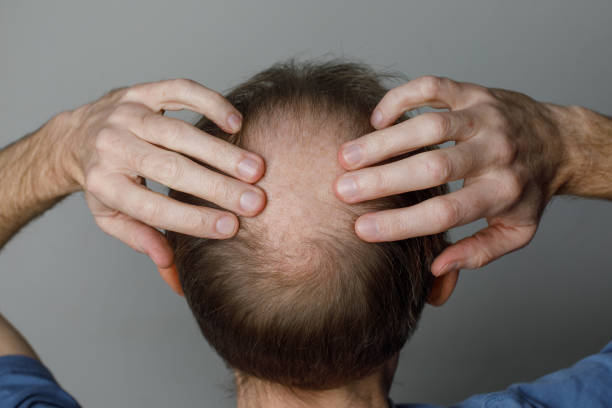
The most frequent type of hair loss linked to medication use is telogen effluvium. This occurs when a drug pushes a huge number of hair follicles into the telogen phase at the same time. Shedding typically becomes noticeable two to three months after starting or changing a medication. Anagen effluvium affects hair while it’s still in the growth phase, leading to accelerated and more noticeable hair loss. It’s most often linked to chemotherapy and some other cancer treatments.
Understanding the Hair Growth Cycle (Anagen, Catagen, Telogen)
Hair grows in a continuous cycle made up of three phases. The anagen stage is the active growth stage and can last several years. This is followed by the catagen phase, a short transitional period where growth slows. Finally, the telogen phase is the resting stage, after which hair naturally sheds to make room for new growth.
Medications can disrupt this cycle by forcing hair follicles into the resting or shedding phase prematurely, leading to noticeable thinning or increased hair fall.
When Does Medication-Related Hair Loss Usually Start?
Hair loss does not usually happen immediately after starting a medication. In many cases, shedding begins weeks or even months later, making it difficult to link the hair loss to a specific drug. This delayed onset is one reason medication-induced hair loss is often overlooked or misattributed to stress or ageing.
Chemotherapy and Cancer-Related Medications
Hair loss is one of the most well-known side effects of cancer treatment, although not all cancer drugs cause it.
Why Chemotherapy Commonly Causes Hair Loss
Chemotherapy drugs work by targeting rapidly dividing cancer cells; however, hair follicle cells are also characterised by rapid growth and division, making them particularly susceptible to these agents. As a result, chemotherapy frequently causes extensive hair loss on the scalp and may also affect body hair, a phenomenon supported by clinical evidence indicating that up to 65% of patients receiving cytotoxic chemotherapy experience significant alopecia (Trueb, 2009).
Is Hair Loss Always Permanent After Cancer Treatment?
Managing Hair Loss During and After Treatment
Hormonal Medications and Birth Control
Hormones play a major role in regulating hair growth, which is why hormonal medications are a common cause of drug-related hair loss.
Oral Contraceptives and Hormonal Fluctuations
Some birth control pills can trigger hair shedding, particularly in individuals who are genetically sensitive to hormonal changes. Starting, switching, or stopping oral contraceptives may all lead to temporary hair loss due to shifts in oestrogen and progesterone levels.
Hormone Replacement Therapy (HRT)
Hormone replacement therapy (HRT) can affect hair growth differently depending on the formulation and individual response. While oestrogen can support hair growth, imbalances or androgen-sensitive follicles may lead to thinning in some women.
Fertility Treatments and Temporary Hair Shedding
Fertility medications can cause rapid hormonal fluctuations that place stress on the body. This may result in temporary telogen effluvium, which usually resolves once hormone levels stabilise.
Antidepressants, Mood Stabilisers, and Psychiatric Medications
Mental health medications are essential for many people, but some have been linked to hair shedding as a less common side effect.
SSRIs, Tricyclics, and Hair Shedding
Certain antidepressants, including selective serotonin reuptake inhibitors (SSRIs) such as sertraline and tricyclic antidepressants like amitriptyline, have been associated with hair loss in some individuals. The risk is generally low, and hair loss is usually diffuse rather than patchy.
Mood Stabilisers and Bipolar Medications
Medications such as lithium and valproate are more commonly linked to hair thinning. Hair loss may be dose-related and often improves when the dosage is adjusted under medical supervision.
What to Do If Mental Health Medication Affects Your Hair
It is crucial not to stop psychiatric medication abruptly. If hair loss occurs, a healthcare professional can assess whether an alternative treatment or dosage adjustment is appropriate while maintaining mental health stability.
Blood Pressure, Heart, and Cholesterol Medications
Several cardiovascular medications have been linked to hair shedding, although this side effect remains relatively uncommon.

Beta-Blockers and Telogen Effluvium
Some beta-blockers prescribed for high blood pressure or heart conditions can sometimes lead to telogen effluvium, as they may affect blood circulation or the body’s stress response.
ACE Inhibitors and Other Cardiovascular Drugs
ACE inhibitors and other heart medications have occasionally been associated with hair thinning. In most situations, the hair loss is mild and reversible.
Blood Thinners and Hair Loss
Anticoagulant medications may contribute to hair shedding by affecting nutrient delivery to hair follicles or triggering telogen effluvium.
Weight Loss, Thyroid, and Metabolic Medications
Medications that affect metabolism or body weight can indirectly impact hair growth.
Rapid Weight Loss and Stress-Related Hair Shedding
Hair loss associated with weight loss medications is often caused by rapid weight reduction rather than the medication itself. Sudden changes place physical stress on the body, triggering telogen effluvium.
Thyroid Medications and Hair Changes
Both over-treatment and under-treatment of thyroid conditions can lead to hair thinning. Achieving the correct dosage is essential for maintaining healthy hair growth.
Nutritional Deficiencies and Hair Health
Some metabolic medications may affect appetite or nutrient absorption. To prevent deficiencies in iron, protein, or essential vitamins—which can exacerbate hair shedding—patients should undergo regular nutritional assessments and, where appropriate, incorporate dietary modifications or supplements based on professional medical advice.
Is Medication-Induced Hair Loss Reversible?
The good news is that most medication-related hair loss is temporary.
When Hair Grows Back on Its Own
Once the triggering medication is stopped or adjusted, hair growth often resumes within three to six months. Full recovery may take longer, depending on the individual and the duration of hair loss.
Signs You Should See a Hair Loss Specialist
If thinning doesn’t seem to improve, shedding continues for more than six months, or you start noticing changes in your scalp, it could point to an underlying issue that a specialist can best check.
Treatment Options for Medication-Related Hair Loss
Treatment can involve a mix of medical options, lifestyle changes, and long-term solutions, all tailored to your specific hair loss pattern and overall health.
When to Seek Expert Help for Hair Loss
Hair loss can be distressing, especially when it occurs unexpectedly due to medication use.
Not all hair loss is caused by medication. A professional evaluation helps distinguish drug-induced shedding from genetic hair loss, hormonal imbalances, or medical conditions.
At Merchant City Medical Group, patients receive thorough assessments and evidence-based treatment plans designed to address the cause of hair loss, not just the symptoms.
In summary, medication-induced hair loss is a complex and multifactorial condition shaped by the specific drug involved, its dosage, the duration of therapy, and individual patient factors. Although most cases resolve with appropriate adjustment or discontinuation of the causative medication, persistent hair loss may occur if additional elements—such as genetic predisposition, hormonal changes, or nutritional deficits—are present. Therefore, a thorough understanding of key mechanisms like telogen effluvium and anagen effluvium is fundamental in setting realistic expectations, formulating tailored management strategies, and supporting both patients and clinicians in making informed decisions. This synthesis underscores the importance of a comprehensive, evidence-based approach to both the diagnosis and management of medication-related hair loss.
Crucially, hair loss should never prompt patients to stop or alter prescribed medication without medical guidance. Instead, concerns about shedding or thinning should be discussed with a qualified healthcare professional who can assess potential alternatives, supportive treatments, or referral for specialist evaluation. Early intervention can help reduce ongoing hair loss, support regrowth where possible, and prevent unnecessary anxiety.
More Articles
Excellence Record
- 30+ Years of combined experience
- 10 + Experts
- 1000 + Satisfied Patients