


This guidance is designed to support your recovery after gynecomastia surgery. While it applies to most patients, individual recovery may vary. Always follow your surgeon’s personalised instructions.
Before you leave the hospital
MEDICATIONS
You will be provided with painkillers before discharge, which may include stronger options such as dihydrocodeine.
Follow-Up Appointments
You will receive a card with details of your first follow-up dressing clinic appointment and contact information for the ward in case you have any concerns at home.
Post-Surgical Compression Vests
Wearing a well-fitting compression vest during the first few months helps provide support, comfort, and reduces swelling. Recommended garments can be purchased through our links (ask us for a discount code).

Male Breast Reduction Instructions
- Have someone drive you home after surgery.
- Get plenty of rest to aid your recovery.
- Start gentle walking as soon as possible to reduce swelling and lower the risk of blood clots.
- Follow a balanced diet. Reduced activity may cause constipation, so include fibre-rich foods such as raw fruit and increase your fluid intake.
- Take pain medication exactly as prescribed. Do not take aspirin or aspirin-containing products unless approved by your surgeon.
When Can I Return to Work?
The timing of your return to work depends on the extent of your surgery, your recovery, and your job requirements. Most patients are advised to take 1–2 weeks off work, though this can vary between individuals. Your surgeon will provide personalised guidance based on your progress.

Wound Care Instructions
You may shower, but avoid soaking your dressings. If the outer dressing comes off, stay calm. Paper tape (Steri-Strips) over your incisions can get wet and will usually remain in place.
Mild pain and discomfort are common during the first few days. You may experience numbness around the nipples (especially if gland excision was performed) and sensitivity in the incision areas. Your chest may remain sensitive to stimulation for several weeks.
- Begin moisturising your incisions with a plain moisturiser (e.g., Aveeno, E45) or Bio-Oil.
- Most of the swelling (approximately 80–90%) should have settled.
- You may notice firm, lumpy areas beneath the nipples, which may differ on each side.
- Occasional shooting pains may occur as nerves heal.
- The final 10% of swelling will gradually settle, and your chest will feel more natural.
- Scars should fade but may still appear red at six months; continue moisturising and massaging them.
- Any residual lumpiness should improve gradually—patience is key.
- Shooting pains and occasional discomfort may persist as nerves continue to heal, especially after exercise.
- Numbness should gradually decrease over this period.
Activities After Ear Correction Surgery
You may shower, but avoid soaking your dressings. If the outer dressing comes off, stay calm. Paper tape (Steri-Strips) over your incisions can get wet and will usually remain in place.
Sleep comfortably using two or three pillows. You do not need to remain propped upright, but avoid sleeping on your stomach for at least three weeks.
Wearing a compression vest (see above) is beneficial. This should be worn day and night for 4–6 weeks after surgery.
Avoid driving for at least 4–5 days after surgery, especially if taking pain medication.
Avoid smoking for at least two weeks, as it can delay healing and increase the risk of complications.
Avoid alcohol while taking pain medications. Even after stopping pain relief, it is advisable to avoid alcohol for three weeks, as it can worsen swelling through fluid retention.
Gentle exercise can be resumed after four weeks. Strenuous exercise can gradually be reintroduced by the end of week six. After six weeks, you should be able to return to your normal activity level.
Check with your airline and insurance company before flying.
Flying soon after surgery increases the risk of deep vein thrombosis (DVT), a blood clot usually in the legs.
- Short-haul flights (<3 hours): around 1 week post-surgery.
- Medium-haul (3–6 hours) and long-haul (6–12 hours): allow 2 weeks post-surgery.
- Reduce DVT risk by staying hydrated, using compression stockings, and moving around during flights.

Follow-up
Week 1
- Attend a nurse appointment to have your outer dressings removed.
- Paper tape (Steri-Strips) covering the incisions can be removed.
- Any non-dissolvable stitches will usually be removed at this stage.
Six Months
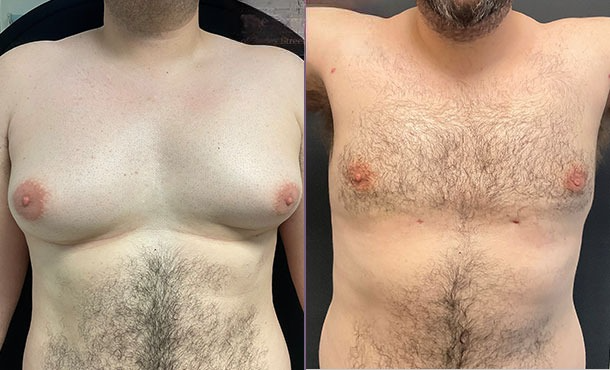
Follow-up appointment with your surgeon to discuss the outcome of your surgery.
If you have concerns before your six-month appointment, you can contact us by phone or email, and you are welcome to book an additional in-person appointment at no cost if you wish to be seen sooner.
When to Call
- Increased swelling or bruising that is not settling.
- Swelling in one or both legs or shortness of breath, which may indicate a blood clot (deep vein thrombosis or pulmonary embolism).
- One side of the chest is much more swollen than the other.
- Increased redness along the incision, which may indicate infection.
- Severe or worsening pain not relieved by medication.
- Side effects from medications, such as rash, nausea, headache, or vomiting.
- Temperature above 38°C.
- Yellowish or greenish discharge from the incisions.
- Bleeding from the incisions that is difficult to control with light pressure.
- Any concerns should be directed to the hospital where your procedure was performed.
Excellence Record
Merchant City Medical Group is proud to be one of the leading providers of Hair Transplant Surgeries and Medical Aesthetics within the UK and Europe. With our extensive team of expert surgeons, nurse practitioners and consultants, you will be met with the utmost dedication and compassion throughout your journey with us.
- 30+ Years of combined experience
- 10 + Experts
- 1000 + Satisfied Patients


Book a Free Consultation
Enter all details and submit the form and we will get back to you.