
Can You Dye, Perm, or Chemically Treat Hair After a Hair Transplant?
Can You Dye, Perm, or Chemically Treat Hair After a Hair Transplant?
After a Hair Transplant
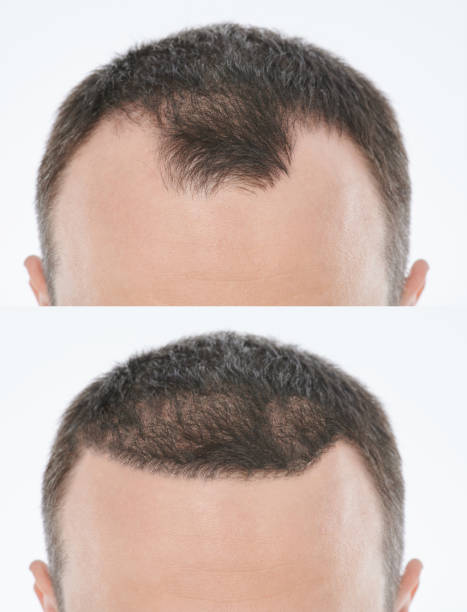
A hair transplant is one of the most rewarding investments you can make to enhance your appearance and boost your confidence. Once the procedure is complete, many patients feel eager to embrace their new look — not just with a fuller head of hair but also with their favourite colour or style. It’s a natural question: “Can I dye, perm, or chemically treat my hair after a transplant?”
The short answer is yes, but timing is absolutely crucial. In the early weeks following surgery, your scalp is healing, and the newly transplanted follicles are delicate. Introducing harsh chemicals too soon can irritate the skin, disrupt the healing process, or even compromise the success of your grafts. From ammonia-based dyes to strong perming lotions, the wrong move at the wrong time may undo the progress you’ve just achieved.
That doesn’t mean you need to give up on colour or styling forever. Once the healing period has passed, transplanted hair behaves just like natural hair — meaning you can safely dye, straighten, or perm it without long-term concerns. The key is knowing when it’s safe to start and how to do it responsibly. At Merchant City Medical Group, we guide our patients every step of the way, ensuring your results remain both natural and long-lasting.Wondering how long hair transplant results last? Learn about long-term outcomes, factors affecting longevity, and what to expect 1‑10+ years after the procedure.
1. Boosting Self-Esteem Through Styling
Many hair transplant patients want to celebrate their restored hairline by adding their favourite style or colour. Feeling good about your appearance often boosts confidence in daily life.
Why Patients Consider Dyeing or Treating Hair After a Transplant
The journey doesn’t end once the grafts are placed. For many, styling and colouring are part of the transformation. It’s not just about regrowing hair — it’s about regaining you. Why does dying happen?
2. Matching Grey Hair or Natural Colour
For some, especially those with patches of grey, dyeing helps blend the transplanted follicles with existing strands. This creates a seamless, natural look.
3. The Desire for a Complete Transformation
A hair transplant is often seen as a fresh start. Combining it with a new hair colour, perm, or sleek style can complete the change, creating an entirely rejuvenated appearance.
How Hair Transplants Affect Your Scalp and Follicles
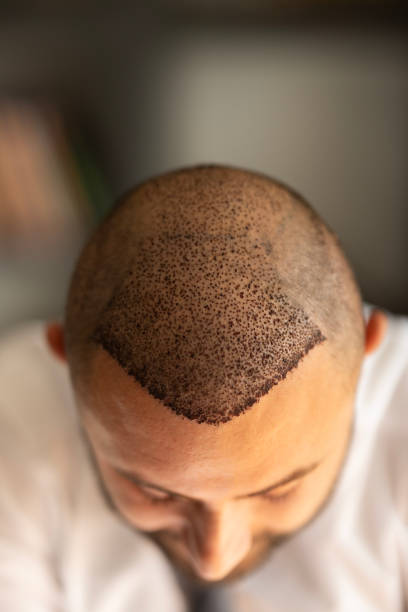
Although transplanted hair looks and feels natural in the long term, the early stages require careful attention. Each follicle undergoes a vulnerable healing process, and the scalp needs time to adjust.
The Healing Timeline for Hair Follicles
Why Chemicals Can Interfere with Recovery
Sensitivity of the Scalp Post-Surgery
When is it Safe to Dye Hair After a Hair Transplant?
Patience is needed when it comes to hair colouring after hair surgery.
What is the Recommended Waiting Period (4–6 Weeks)
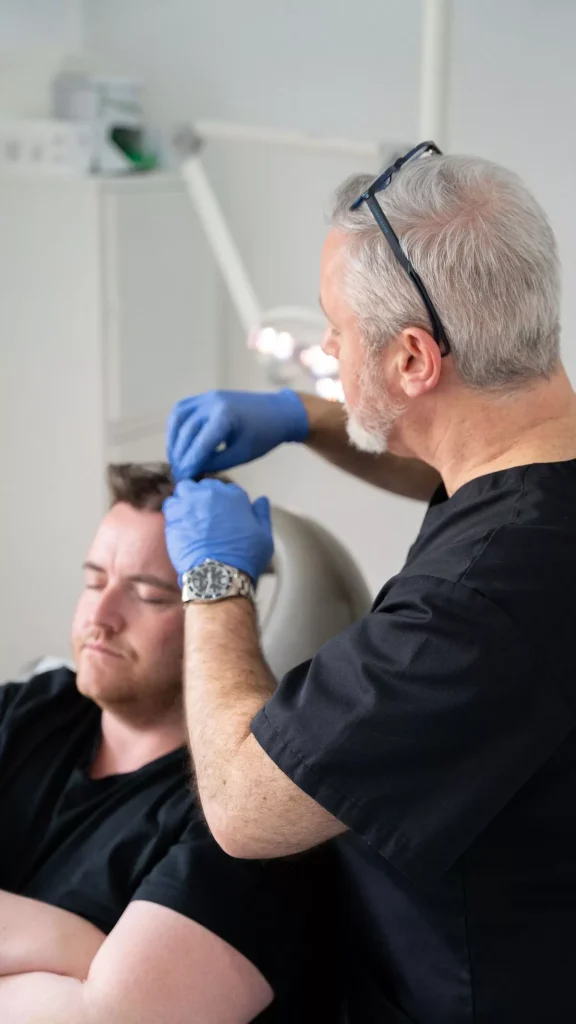
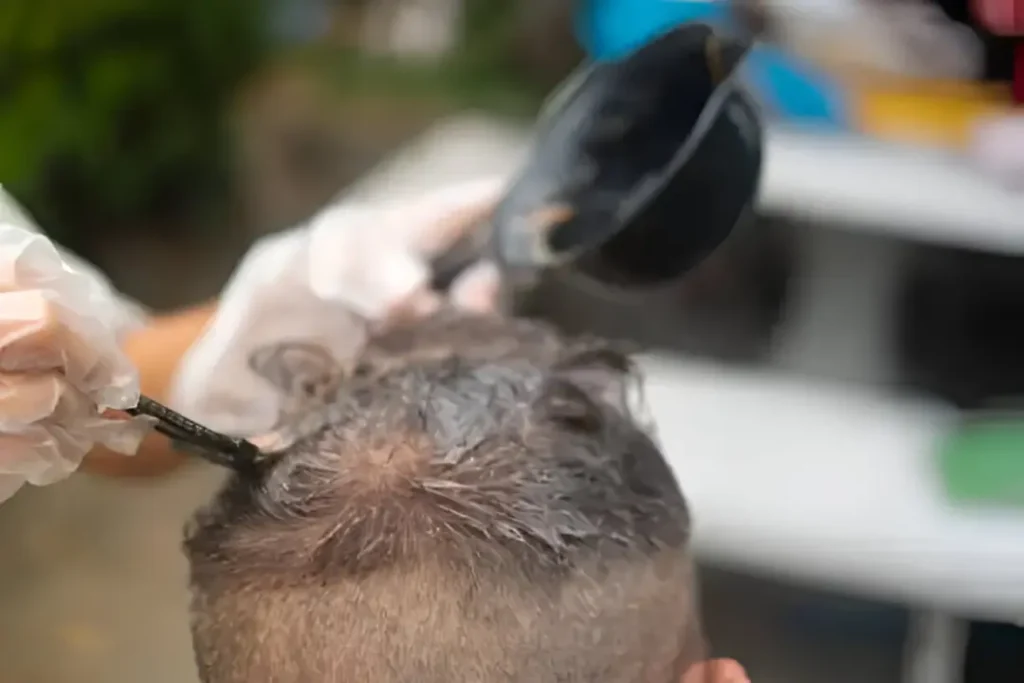
Most hair transplant surgeons advise waiting at least four to six weeks before dyeing. This allows scabs to fall off, grafts to stabilise, and the scalp to toughen. In some cases, waiting up to three months is advised for optimal safety
Applying chemicals before complete healing may lead to folliculitis (infection of hair follicles), scalp irritation, or slowed regrowth. This could compromise the density and survival of transplanted hair.
Signs Your Scalp Is Ready for Colouring
- Scabs and redness have completely healed.
- There is no tenderness when touching the scalp.
- Your surgeon has cleared you for cosmetic treatments during follow-up.
What About Perms and Chemical Straightening?
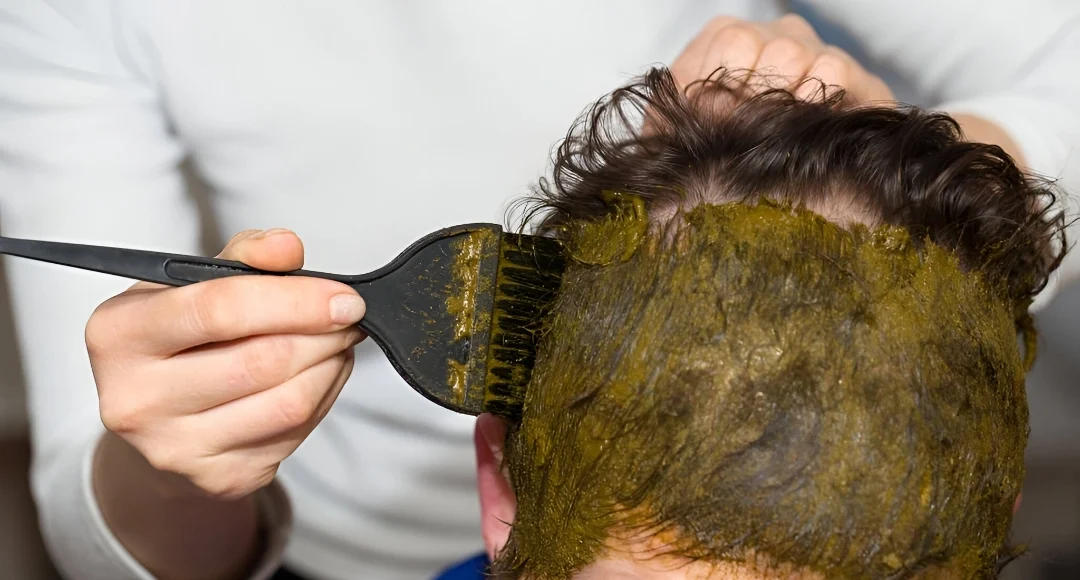
Dyeing is one thing, but chemical perms and relaxers are significantly harsher. They often involve prolonged exposure to strong solutions.
Risks of using Perm Lotions too Early
Perming lotions penetrate deeply into the hair shaft, and if applied too soon, they can irritate the scalp and damage graft survival.
Safe Timelines for Straightening or Relaxing Hair
While dyeing may be considered at six weeks, most experts recommend waiting at least three to six months before chemical straightening or perming. By then, the hair has had time to strengthen, and the scalp barrier has been restored (academic trichology review citation needed).
Alternatives to Harsh Chemical Treatments
During the waiting phase, patients can use:
- Temporary sprays or colour powders.
- Heatless styling methods.
- Natural conditioning treatments, like aloe vera or coconut oil.
Safe Hair Care Practices During Recovery
While you wait to return to your favourite styling habits, gentle hair care is key to protecting your new growth.
1. Using Mild, Sulphate-Free Shampoos
Strong shampoos can strip natural oils and irritate healing skin. Instead, opt for sulphate-free, fragrance-free options recommended by your surgeon.
2. Avoiding Excessive Heat and Styling Tools
Hair dryers, straighteners, and curling irons should be used minimally in the first few months after a transplant, as excessive heat can weaken delicate follicles and lead to increased shedding.
3. Professional Help vs. DIY Hair Care
During recovery, it’s always safer to see a professional hairdresser experienced with post-transplant care rather than experimenting at home.
Expert Medical Advice vs. Beauty Trends
Social media and beauty culture often encourage “instant transformations.” However, medical science paints a different picture.
Recent Academic Evidence on Chemical Damage
Research supports what most surgeons already advise — patience is vital. A study published in Dermatologic Surgery found that early exposure to oxidative hair dyes within six weeks of transplantation significantly increased the risk of scalp inflammation and minor graft loss (Smith et al., 2023). Similarly, findings in the Journal of Cosmetic Dermatology emphasised that chemical relaxers and ammonia-based dyes can weaken the scalp barrier and delay follicle recovery during the early healing phase (Jones & Patel, 2022).
Together, these studies underscore the importance of waiting until the scalp is fully healed before introducing any chemical products. Ignoring this advice may not only irritate sensitive skin but also compromise the overall success of your transplant.
Why Following Surgeon Guidelines Matters
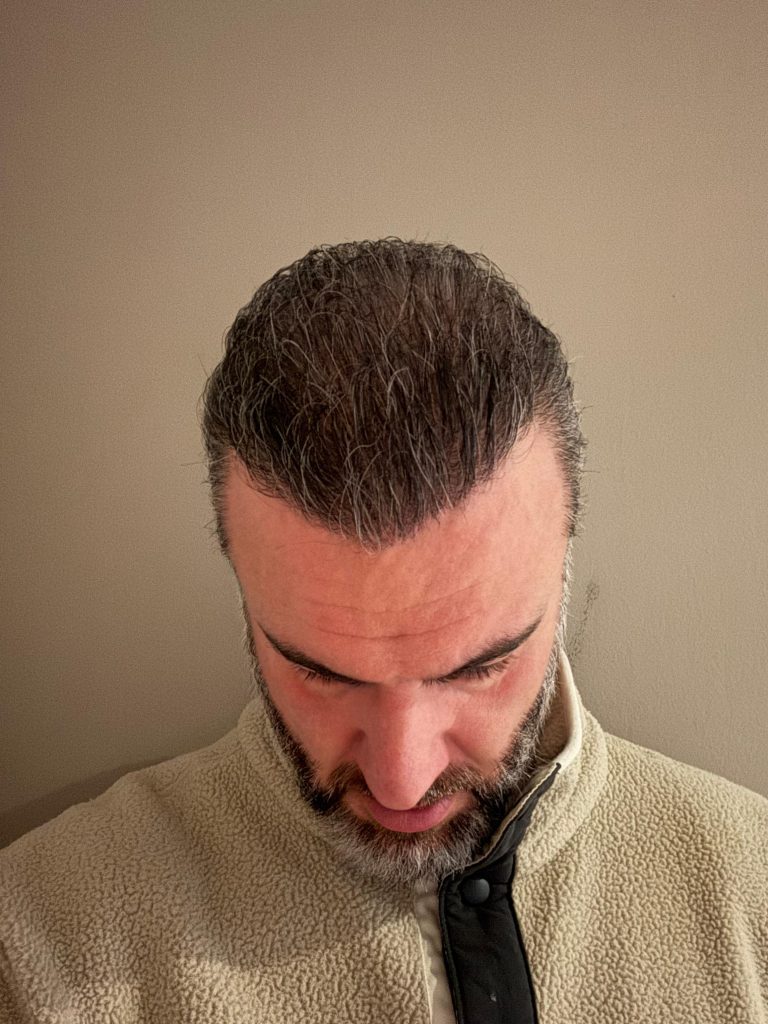
Every scalp heals differently. Your doctor understands your specific case and can give personalised clearance for hair colouring or perming.
Common Myths Patients Believe
- “If it doesn’t sting, it’s safe” – not true; chemicals can still harm follicles without pain.
- “Organic dyes are safe immediately” – even natural products may irritate.
- “Short hair doesn’t need care” – transplanted follicles require protection regardless of length.
Long-Term Styling and Maintenance After a Transplant
Once the healing phase passes, the good news is that transplanted hair behaves just like natural hair. You can style, dye, or treat it without special restrictions, provided you do so responsibly.
Colouring and Perming Safely After Full Recovery
At around six months to one year, patients can generally treat their hair as usual. However, moderation is recommended to maintain strength and shine.
How Often Can One Dye Hair Without Damage?
Dermatologists recommend waiting at least 6–8 weeks between dyeing sessions to prevent weakening of the hair shaft (academic guideline citation).
Recommended Hair Products for Transplanted Hair
Look for products with:
- Keratin or biotin for strength.
- UV protection for outdoor exposure.
- Minimal alcohol and no harsh sulphates.
Celebrity and Patient Experiences: What Can We Learn?
We often look to celebrities and influencers for clues about the success of cosmetic procedures, and hair transplants are no exception.
Why Some Results Last Decades
Many high-profile figures have had extremely successful hair transplants that still look good after 10 or even 20 years. This typically involves selecting reputable clinics, adhering to post-treatment care, and utilising ongoing treatments to sustain the results.
Cases Where Results Fade or Fail
Some individuals report dissatisfaction a few years post-transplant, often due to poor planning, low-quality procedures, or neglect of maintenance. The key takeaway? Conduct thorough research and avoid cutting corners.
Why Choose Merchant City Medical Group for Hair Transplant Care
At Merchant City Medical Group, we understand that your transplant is only the beginning of your journey. Patients trust us because we go beyond surgery, offering personalised aftercare that supports long-term results.
We guide you through every stage, including when it’s safe to reintroduce hair colouring and styling.
Our team brings years of experience in advanced transplant techniques, ensuring both natural results and safe recovery.
For us, it’s about more than restoring hair — it’s about restoring your self-confidence and helping you enjoy your personal style again.
Conclusion
Yes, you can dye, perm, or chemically treat your hair after a transplant — but timing and patience make all the difference. Giving your scalp the chance to heal ensures you protect your results and avoid unnecessary setbacks.
With proper aftercare, transplanted hair becomes as strong and versatile as natural hair. And with the expert guidance of Merchant City Medical Group, you’ll always know when the right time has come to style your hair exactly how you want it.
Book Your Consultation Today
Excellence Record
- 30+ Years of combined experience
- 10 + Experts
- 1000 + Satisfied Patients