


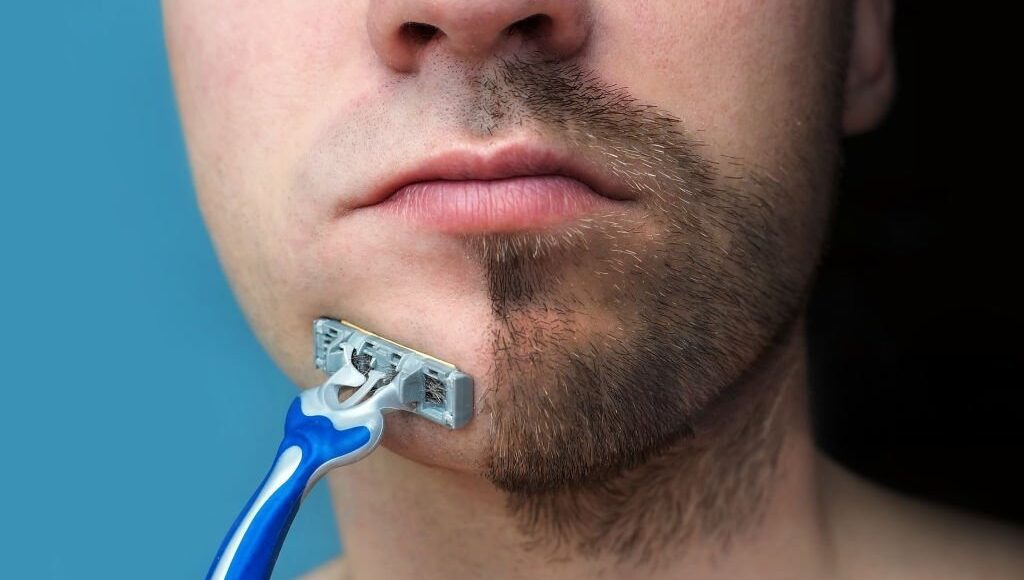
Can You Shave After a Beard Transplant? Timing, Tips, and Mistakes to Avoid
Can You Shave After a Beard Transplant?
Timing, Tips, and Mistakes to Avoid
One of the most common questions men ask after a beard transplant is, “When can I start shaving again?” It’s understandable — once you’ve invested in restoring your facial hair, you’ll want to keep it neat and well-groomed. However, shaving too soon after a hair transplant can do more harm than good. During the initial healing phase, your newly implanted grafts are still fragile and need time to anchor securely. A premature shave could dislodge these grafts, slow recovery, and even affect your final density.
Understanding when and how to shave safely is just as important as the surgery itself. From the timing of your first trim to the type of razor you use, every step should be handled with precision and care. This guide draws insights from the leading transplant expert of Merchant City Medical Group, one of the UK’s leading specialists in advanced hair restoration.
Let’s walk through what to expect after your procedure, the safest way to resume shaving, and the mistakes you must avoid to protect your new beard and achieve flawless, natural-looking results.
What Happens Immediately After Implantation
Right after the procedure, each graft is placed into tiny micro-incisions in the recipient area. These new follicles are not yet firmly anchored. In the first few days, your face may feel tender, slightly swollen, or tight. You’ll also notice small scabs forming around each implanted hair — a natural part of the healing process as the skin seals and repairs. At this stage, the golden rule is no touching, rubbing, or shaving. Your surgeon’s aftercare instructions, such as keeping the area clean and moisturised, are designed to help grafts stabilise without interference.
Understanding the Post-Transplant Healing Process
Before you even think about reaching for a razor, it’s essential to understand what your skin and grafts go through after surgery. A Beard transplant involves relocating delicate hair follicles, and their survival depends entirely on proper healing.
Typical Timelines for Scab Shedding and Skin Recovery
Scabs generally begin to fall off naturally between day 7 and day 14. By this point, the grafts have settled deeper into the skin, and surface healing is mostly complete. The redness gradually fades, though in some individuals, especially with sensitive skin, mild pinkness may persist for several weeks.
Variability in Healing
Every patient heals at a different pace. Factors such as age, skin sensitivity, the number of grafts, and overall health play a role. People with oily or thicker skin may recover faster, while those with dry or reactive skin may need a little longer before it’s safe to shave.
When is it Safe to Begin Shaving or Trimming?
Once the visible signs of healing have improved, you’ll naturally want to tidy up. But when exactly is it safe to shave? That depends on your recovery rate and your surgeon’s specific recommendations.
Different Surgeon Recommendations
Trimming vs. Full Shave
How to Know Your Skin Is Ready
Shaving Techniques and Tools Post-Transplant
When your beard finally feels ready for grooming, technique matters. Poor shaving habits can irritate delicate skin or even disrupt grafts that are still settling.
Choosing the Right Razor or Tool
Preparing Your Skin Before Shaving
Technique: Direction, Pressure, and Passes
Aftercare: Soothe and Protect
Common Mistakes That Can Compromise Results
Even the most careful patient can make minor errors that delay healing. Being aware of these mistakes early can prevent lasting damage.
Shaving Too Early
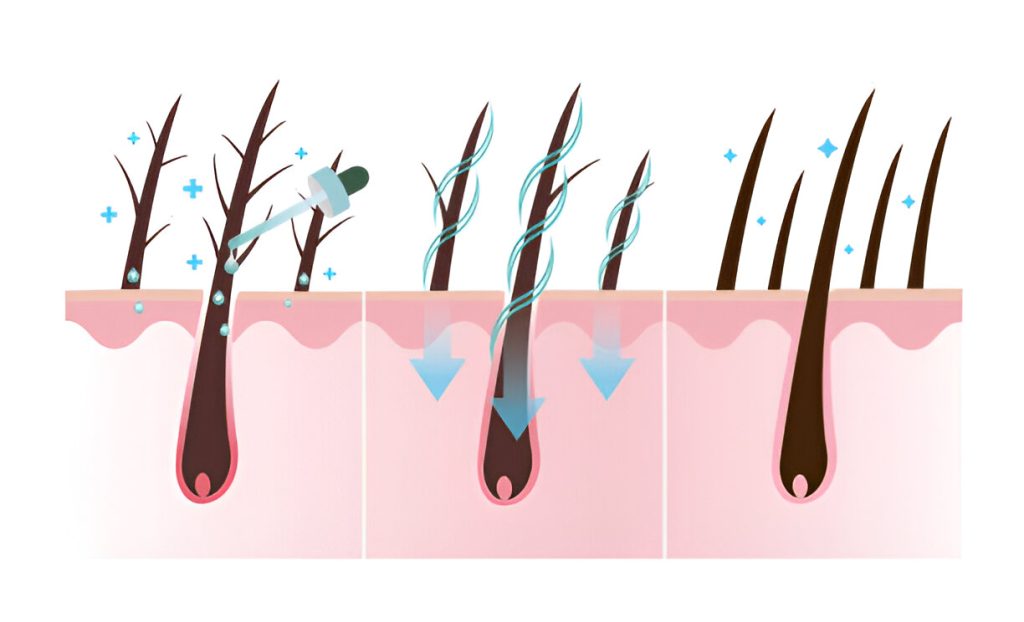
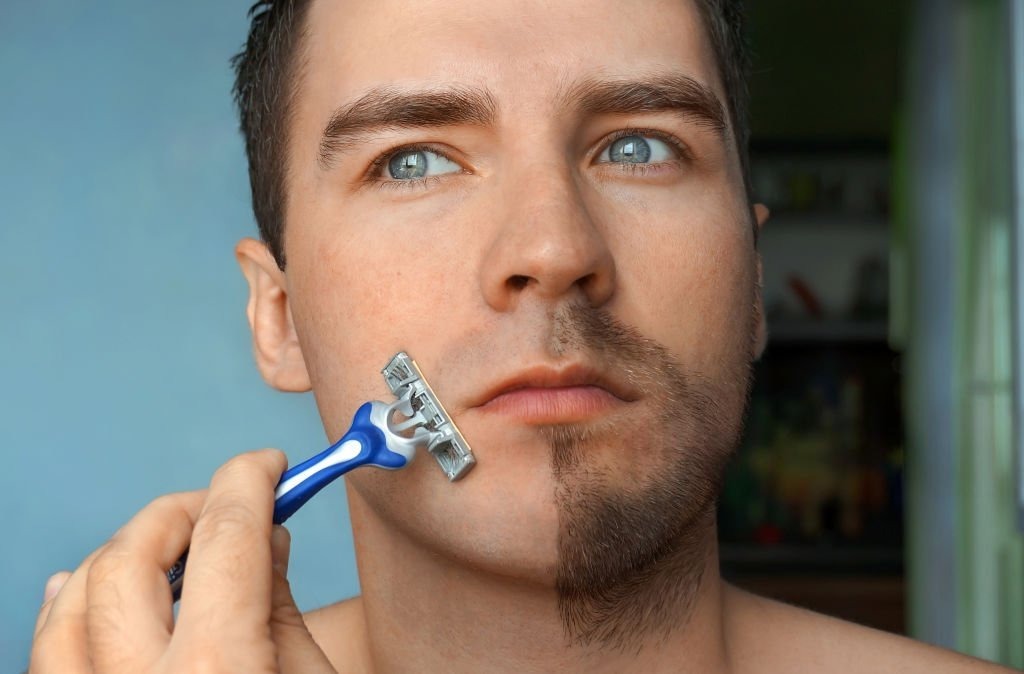
The biggest mistake of all is shaving too soon. A razor can easily dislodge newly planted grafts if they haven’t appropriately rooted. This not only reduces density but can leave uneven patches that take months to correct.
Using Too Much Pressure
Aggressive shaving or pressing too hard irritates the skin and weakens grafts. Use a light touch and don’t aim for a “baby-smooth” finish during the first few months.
Using Harsh Products or Dirty Tools
Old or rusty razors harbour bacteria that may cause infection. Always use clean, sharp blades, and stick to mild, pH-balanced shaving products.
Ignoring Warning Signs
Persistent redness, bumps, or swelling can indicate irritation or infection. If you notice these, pause shaving and contact your clinic immediately for guidance.
What to Expect After Shaving: Shedding and Regrowth
It’s natural to worry when transplanted hairs start falling out after your first few shaves, but don’t panic — this is all part of the process.
The Shedding Phase
Between 2–6 weeks post-surgery, transplanted hairs may shed — a temporary stage called shock loss. It’s not a sign of failure; the follicles beneath the skin remain intact and will start producing new hairs in due time.
Dormancy and Regrowth
After shedding, grafts enter a resting phase before re-growing new strands, typically after three to four months. The beard gradually thickens and matures in texture over the next several months. By the sixth to ninth month, your new beard should blend naturally with your existing hair.
Beard Texture and Density
New hairs may initially appear finer or curlier, but they’ll eventually thicken and take on your natural beard texture. Some patients choose minor touch-ups after a year for perfect symmetry.
When and How to Safely Shave the Donor Area
While your focus is often the beard area, don’t overlook the donor site — usually the back or sides of your scalp.
Donor vs Recipient Zones
The donor area heals faster since hair follicles are extracted rather than implanted. Small punctures close within days, and mild redness subsides within a week.
Timeline for Shaving Donor Area
Most patients can safely shave the donor site within 7–10 days, provided the skin has fully closed and isn’t tender. Always consult your surgeon before doing so, especially if you experience lingering sensitivity.
Risks in Donor Area Shaving
Shaving too early can irritate scabs or create visible marks. Use a clean electric clipper instead of a razor blade until you’re completely healed.
Special Considerations and FAQs
Every beard and skin type is unique, so it’s worth considering how individual factors might influence your shaving timeline
Men with darker or more reactive skin tones may experience post-inflammatory pigmentation if they shave too soon. Use extra lubrication, avoid tight razors, and apply gentle moisturisers to prevent irritation.
If you’ve had prior acne scars or laser treatments, your skin might be more delicate. In such cases, consider delaying shaving a little longer or sticking to trimmers until your surgeon confirms complete healing.
If you notice a graft dislodging or feel any discomfort during shaving, stop immediately. Apply a gentle saline solution and contact your clinic for advice.
No, once grafts are secure, shaving won’t harm them.
Yes, after two weeks, but only with a guard.
Typically, the process takes between 6 and 12 weeks, depending on the healing process.
Apply gentle pressure, clean it, and inform your surgeon.
Merchant City Medical Group’s Beard Transplant and Grooming Protocol
At Merchant City Medical Group, patient safety and long-term results are the top priorities. Their aftercare programme is designed to protect every graft and ensure flawless healing.
Merchant City Medical Group’s Approach to Aftercare
Following surgery, patients receive detailed post-operative instructions, including when to wash, moisturise, and shave. Typically, we recommend avoiding any form of shaving for the first 10–14 days, allowing the grafts to stabilise completely.
Recommended Shaving Timeline and Techniques
Once cleared, patients are advised to begin with gentle trimming using an electric clipper. A full razor shave should only occur once the skin feels entirely normal — no tightness, redness, or irritation. The clinic also advises the use of alcohol-free products and soft, non-fragranced moisturisers.
Why Choosing a Clinic with a Clear Protocol Matters
Following expert aftercare, like that provided by Merchant City Medical Group, significantly lowers the chances of complications while promoting smooth, natural-looking results. A structured follow-up also allows your surgeon to guide you through every recovery milestone confidently.
Final Word and Call to Action
If you’ve undergone or are planning a beard transplant, remember: patience and precision are your best allies. For tailored aftercare guidance and long-term support, consult the specialists at Merchant City Medical Group — the UK clinic trusted for natural, confidence-restoring beard transformations.
Excellence Record
- 30+ Years of combined experience
- 10 + Experts
- 1000 + Satisfied Patients


