


Eyelid Surgery & Blepharoplasty
Achieve a refreshed, more youthful look with expert eyelid surgery (blepharoplasty) at Merchant Medical Group. If you’re concerned about sagging upper eyelids affecting your vision, or tired-looking eyes, our skilled plastic surgeons offer both functional and cosmetic blepharoplasty options. We help patients across the region achieve natural-looking results that boost confidence and improve overall appearance.
Procedure overview
TYPE OF ANAESTHETIC
Local or General
LENGTH OF SURGERY
1–2 Hours
HOSPITAL STAY
Day procedures
RECOVERY
1–2 weeks off work, 6 weeks before strenuous exercise
Procedure types and benefits
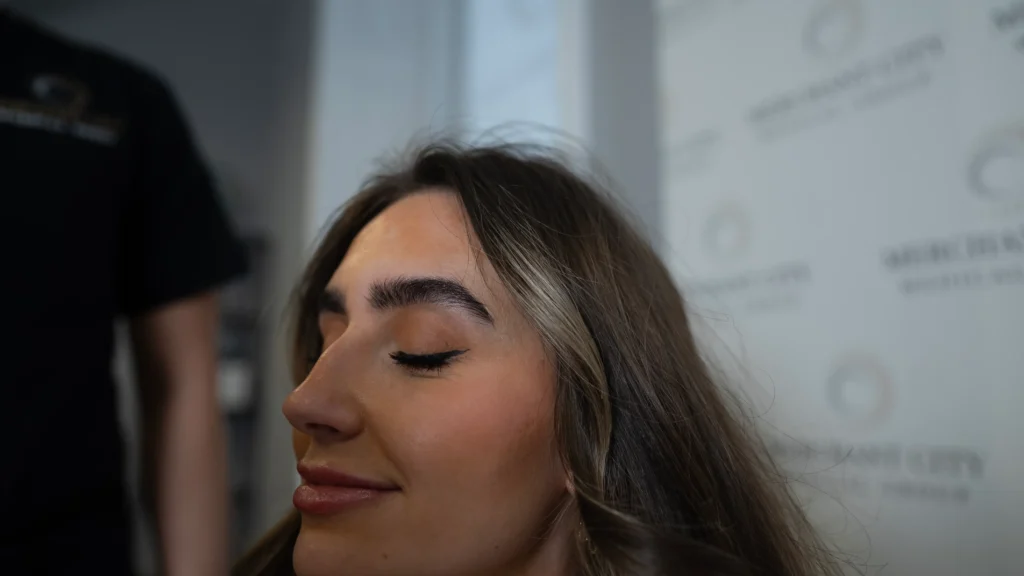
Blepharoplasty addresses functional and aesthetic concerns of the upper and lower eyelids. The procedure corrects drooping eyelids, which can impact both vision and appearance. Advanced techniques are used to improve function and achieve natural-looking results with minimal scarring and recovery time.
Improved Vision: Correcting excess skin on the upper eyelids can expand peripheral vision, improving activities like driving and reading.
Relief from Eye Strain: Drooping eyelids often lead to forehead tension and headaches. Surgery can resolve these issues by eliminating the need for compensatory muscle action.
Enhanced Self-Confidence: Many patients experience improvements in their quality of life and social interactions following surgery.
Long-Lasting Results: Blepharoplasty offers results that typically last 7-10 years for upper eyelids and even longer for lower eyelids.
Quick Recovery: Most patients return to normal activities in 1-2 weeks, with swelling usually reduced within 3-4 weeks.
Upper eyelid surgery corrects visual field obstruction and excess tissue. It includes:
Assessment: Measurements of eyelid position and function, including visual field testing if needed.
Removal of Excess Skin: Precise removal of excess skin and, if needed, orbital fat.
Support for Eyelid Drooping: In cases of ptosis, additional techniques strengthen the eyelid muscle.
Natural Appearance: We aim to preserve the natural upper eyelid crease and contour.

The Functional Importance of Eyelid Surgery
Blepharoplasty is often thought of as purely cosmetic, but it provides critical functional benefits with significant medical advantages:
- Visual Field Improvement: Excess upper eyelid skin (dermatochalasis) can reduce peripheral vision by up to 50% in severe cases, as highlighted in studies published in the British Journal of Ophthalmology. Functional blepharoplasty can restore this visual field, improving daily tasks like driving and reading.
- Relief from Eye Strain and Fatigue: Patients with ptotic (drooping) eyelids often unconsciously raise their eyelids by contracting the frontalis muscles, leading to chronic headaches and eye strain. Surgical correction can alleviate this compensatory mechanism and reduce associated discomfort, as noted in research published in Ophthalmic Plastic & Reconstructive Surgery.
- Psychological Wellbeing: Beyond the physical benefits, blepharoplasty has been shown to significantly improve quality of life, with patients reporting reduced social anxiety and a boost in self-image, as documented in the Journal of Plastic and Reconstructive Surgery.
At Merchant Medical Group, we carefully assess both the functional and aesthetic aspects of your eyelids to create a comprehensive treatment plan that addresses all your needs.
Commonly asked questions
Eyelid surgery can address both aesthetic concerns and practical issues. During your consultation at Merchant City Medical Group, we will assess whether your needs are primarily functional—for example, if excess upper eyelid skin is affecting your vision—or cosmetic.
Some patients with significant upper eyelid hooding may meet criteria for functional treatment pathways, though most blepharoplasty procedures are carried out privately.
Most patients return to their usual daily activities within 7–10 days. Bruising typically settles within two weeks, allowing most people to feel comfortable resuming social and professional engagements.
At Merchant City Medical Group, we provide comprehensive aftercare instructions tailored to your procedure to support optimal healing and comfort.
Yes. Many patients choose to combine blepharoplasty with additional treatments such as brow lifting or other facial rejuvenation procedures. Combining procedures can enhance overall results while limiting your total recovery time.
Your surgeon will discuss personalised treatment plan options if combining procedures is appropriate for your goals.
Many eyelid surgeries can be safely and comfortably performed under local anaesthesia. This approach offers advantages such as quicker recovery and avoiding the risks of general anaesthesia.
You may be a good candidate for blepharoplasty if you experience:
Excess upper eyelid skin affecting your vision.
During your consultation at Merchant City Medical Group, we will assess your eyelid anatomy, skin quality, and general health to determine whether blepharoplasty is right for you.
Why Choose Merchant Medical Group for Your Eyelid Surgery?
When considering eyelid surgery (blepharoplasty), Merchant Medical Group offers several key advantages:
- Balanced Approach to Function and Aesthetics: At Merchant Medical Group, we understand that eyelid surgery impacts both appearance and function. Our surgeons focus on enhancing both your vision and comfort, while achieving natural-looking results that align with your aesthetic goals.
- Thorough Consultation and Assessment: During your consultation, we carefully evaluate the structure and position of your eyelids. We take the time to listen to your concerns about both functional issues (such as vision obstruction or heaviness) and cosmetic desires, to create a personalized treatment plan that fits your specific needs.
- Precise Surgical Techniques: Our surgeons utilize advanced, minimally invasive techniques to respect the delicate anatomy of the eyelid region. We remove only the necessary amount of tissue to achieve optimal results while maintaining both function and appearance.
- Comprehensive Aftercare: We provide attentive, ongoing support throughout your recovery. With scheduled follow-up appointments, we monitor your healing progress and ensure the best possible results. Our team is always available to address any concerns you may have during the recovery process.
- Experienced Surgeons: Our team brings years of experience in both NHS and private practice, handling a wide range of eyelid conditions. From functional concerns like skin excess affecting vision to cosmetic issues. we offer expert care for a variety of needs.
We invite you to schedule a consultation with Merchant Medical Group to discuss how our expertise can address your unique eyelid concerns and improve both your appearance and quality of life.
What are the risks?
Blepharoplasty can be performed under local anaesthesia depending on the extent of the procedure and patient preference. All eyelid procedures are typically day cases, meaning you can return home the same day with proper aftercare instructions.
Specific risks associated with blepharoplasty include:Minor bleeding is common immediately after surgery and typically resolves with gentle pressure. Significant bleeding occurs in less than 0.055% of patients and may require intervention.
Many patients experience temporary dry eye symptoms or increased tearing as the eyelids adjust to their new position. These symptoms usually resolve within 2-4 weeks as swelling subsides. Lubricating eye ointment is provided to manage these symptoms during recovery.
Minor asymmetries may be present immediately after surgery due to the healing process. Final results should be assessed 3-6 months post-surgery, once swelling has completely resolved.
Temporary corneal irritation can occur but usually resolves within a few days. Serious corneal injury is extremely rare, provided protective measures are followed during and after surgery.
Temporary blurred vision is common during the early stages of recovery due to ointments and swelling. Permanent vision changes are very rare (less than 0.05% in published studies).
Around 3-5% of patients may require minor revisions to optimise the final results, usually performed under local anaesthesia as an outpatient procedure.
What to Expect and Eyelid Aftercare
Recovery Timeline:
First Week
- Expect noticeable swelling and bruising immediately after surgery.
- Use cold compresses and keep your head elevated to reduce swelling.
- Take prescribed pain medication as needed (most patients report minimal discomfort).
- Apply antibiotic ointment at night as instructed.
- Attend your follow-up appointment for suture removal around day 6-7.
Second Week
- Bruising and swelling continue to improve.
- You may return to work (make-up can be applied to cover residual bruising).
- You may resume driving if you fell comfortable enough to do so and normal showering.
- Discontinue antibiotic ointment.
Weeks 3-4
- Most bruising (90-100%) and the majority of swelling resolves.
- You’ll begin to see the intended results of your procedure.
Long-Term Results
- Final results typically appear by 1-3 months as all swelling resolves.
- Scars continue to fade over 6-18 months.
- Some patients may experience temporary dryness or watering of the eyes.
We provide comprehensive aftercare instructions before you leave our facility. For detailed post-operative guidance, please visit our dedicated aftercare page.
Eyelid surgery - I found a great surgeon!

Excellence Record
- 30+ Years of combined experience
- 10 + Experts
- 1000 + Satisfied Patients

