
Foods, Drinks, and Supplements that Affect Hair Health
Foods, Drinks, and Supplements that Affect Hair Health
Shiny, healthy hair is often seen as a sign of vitality — but achieving it takes more than good shampoo or genetics. What you eat, drink, and supplement plays a vital role in how your hair grows, looks, and feels. The nutrients we consume affect the strength of each strand, the activity of hair follicles, and even the rate of new growth.
If your hair feels dull, dry, or isn’t growing as it should, your diet might be missing some essential elements. Let’s explore the foods, drinks, and supplements that make a genuine difference to hair health — and how the proper nutrition supports treatments like hair transplants and regrowth therapies.
How Nutrition Impacts Hair Growth and Strength
Your hair is made almost entirely of a protein called keratin, and building healthy keratin relies on the nutrients in your body. Without enough vitamins, minerals, and protein, your follicles can’t perform at their best, leading to thinning or breakage.
The Hair Growth Cycle and Why It Matters
Each strand of hair grows through a cycle of growth, rest, and shedding. The growth stage (anagen) depends heavily on the availability of nutrients such as iron, zinc, and B vitamins. When these nutrients are low, hair can enter the resting or shedding stage too soon, resulting in noticeable hair loss.
Essential Nutrients for Healthy Hair
Some of the key nutrients that feed hair growth include:
- Protein: Builds the structure of the hair shaft.
- Iron: Carries oxygen to the roots and keeps follicles active.
- Vitamin D: Encourages new follicles to grow.
- Zinc: Helps repair tissue and keeps oil glands around follicles working properly.
- Omega-3 fatty acids: Moisturise the scalp and prevent inflammation.
When to Seek Expert Help
If you’re eating well but still experiencing shedding or thinning, it could be a sign of an underlying deficiency or hormonal imbalance. It’s worth booking a consultation with a hair specialist at Merchant City Medical Group to identify the cause and create a tailored recovery plan.
Protein-Rich Foods That Nourish Your Hair
Protein is the backbone of hair health. Without enough of it, strands can become weak and brittle, and new growth may slow down noticeably.
Eggs – A Nutrient Powerhouse
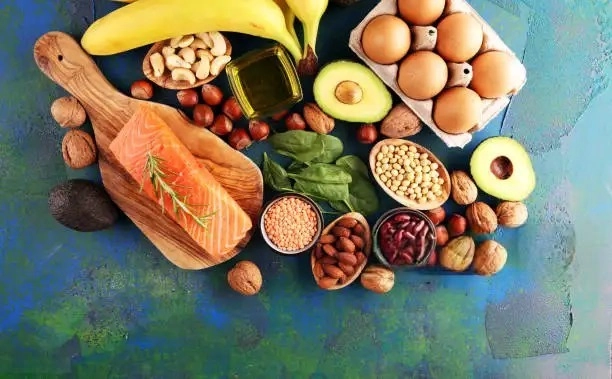
Eggs supply biotin, iron, and vitamin D — all crucial for keratin production and strong follicles. They’re one of the most complete hair-boosting foods you can add to your breakfast routine.
Fatty Fish – Packed with Omega-3s
Fish such as salmon, mackerel, and sardines deliver omega-3 fatty acids that hydrate the scalp and reduce inflammation. They also contain selenium and vitamin D, which stimulate growth and shine.
Lean Meats and Legumes – Versatile Protein Sources
Chicken, turkey, lentils, and beans all contain amino acids that help form the protein keratin. Iron in lean meats also enhances oxygen delivery to the scalp, promoting thicker growth.
Fruits and Vegetables That Feed the Follicles
A balanced mix of colourful fruits and vegetables keeps both scalp and hair in top form. These foods deliver antioxidants that protect follicles from environmental stress and premature ageing.
Berries and Peppers – Vitamin C Heroes
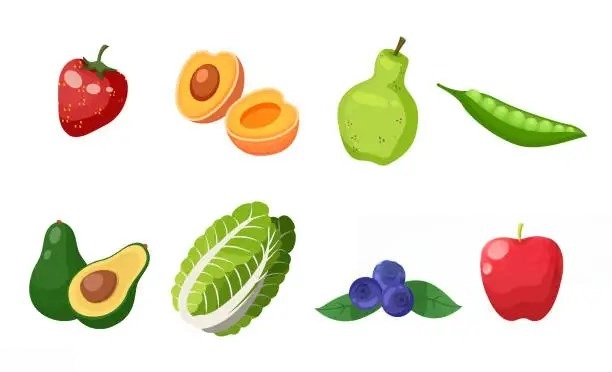
Strawberries, blueberries, and red peppers are full of vitamin C, which helps produce collagen — a protein that strengthens hair roots and prevents split ends.
Leafy Greens – Folate and Iron
Spinach, kale, and broccoli are packed with folate and iron. These nutrients improve blood flow to the scalp, ensuring follicles receive a steady supply of oxygen and nutrients.
Avocado, Sweet Potato, and Pumpkin – Fatty and Vitamin-Rich
Avocados contain vitamin E and monounsaturated fats that keep the scalp hydrated. Sweet potatoes and pumpkins add beta-carotene, which your body converts into vitamin A — a nutrient that supports natural sebum production for smoother strands.
Grains, Nuts, and Seeds: Everyday Hair Builders
Whole grains, nuts, and seeds are often overlooked, yet they contain minerals and healthy fats that are essential for hair structure and shine.
Nuts and Seeds – Vitamin E and Zinc
Almonds, walnuts, chia, and sunflower seeds are excellent snacks for healthy hair. Vitamin E enhances blood flow to the scalp, while zinc supports the repair of damaged hair follicles.
Whole Grains – Silica and B Vitamins
Oats, barley, and quinoa provide silica and B vitamins, which help strengthen the bond between the scalp and hair shaft. This makes hair more resilient and less likely to snap.
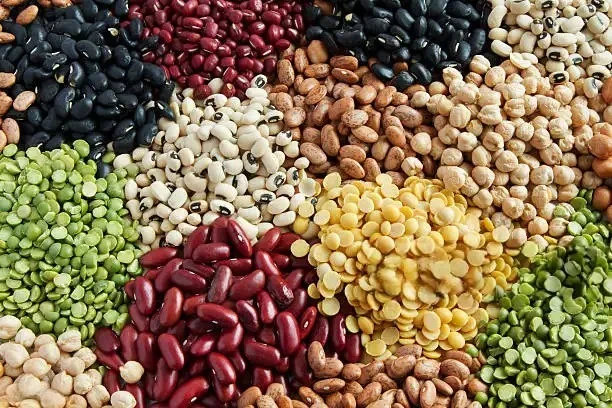
Legumes and Pulses – Plant Power
Chickpeas, lentils, and kidney beans contain iron and folate — essential for renewing cells within hair follicles. They also provide steady, long-lasting energy, which helps support consistent nutrient delivery to the scalp. Because they’re easy to add to everyday meals, they make a simple but powerful addition to a hair-healthy diet. Whether you enjoy them in stews, salads, or curries, these plant-based staples quietly strengthen your hair from the inside out..

Drinks That Boost Hair Health
What you sip each day can either support or slow your hair’s progress. Hydration is key to keeping your scalp and follicles healthy.
Water – The Simplest Hair Strengthener
Water keeps your scalp hydrated and encourages natural oil production. Dehydration, on the other hand, can result in dryness and hair that breaks easily.
Green Tea and Herbal Infusions
Green tea is rich in antioxidants that protect follicles from free radicals. Herbal teas like nettle and hibiscus are also known to nourish the scalp and promote circulation.
What to Avoid
Too much caffeine, sugary drinks, or alcohol can disrupt nutrient absorption and cause dehydration — both of which can weaken your hair over time.
Supplements: When Food Isn’t Enough
In some cases, even the best diet might not provide everything your hair needs. That’s where targeted supplements can help — but they should be used carefully.
Common Hair-Friendly Supplements
Biotin, zinc, iron, vitamin D, and omega-3 are among the most effective nutrients to support hair regrowth and thickness. These hair growth supplements fill nutritional gaps and promote follicle activity.
Evidence and Limitations
While supplements can be helpful when deficiencies exist, they aren’t miracle cures. They’re most effective when part of a broader plan involving diet, hydration, and medical advice.
Getting Professional Advice
Before you start any supplement, it’s best to book a free consultation with Merchant City Medical Group. Their specialists can recommend evidence-based options suited to your unique hair needs and health profile.
Lifestyle Factors That Work with Nutrition

1. Stress, Sleep, and Hormonal Balance
Long-term stress increases cortisol, the body’s primary stress hormone, which can interrupt the normal hair growth cycle and cause excessive shedding. Elevated cortisol levels also affect other key hormones, such as thyroid hormones and oestrogen, both of which are vital for maintaining healthy hair. Poor sleep worsens this imbalance, limiting your body’s ability to repair and nourish hair follicles. Prioritising rest, relaxation, and a calm routine helps lower cortisol, allowing hair to grow stronger and more consistently.
2. Exercise and Circulation
Physical activity increases blood flow, helping vital nutrients reach the follicles. Even a short daily walk or scalp massage can make a difference over time.
3. Scalp Care Routine
A gentle wash, exfoliation, and massage routine can complement your diet, helping keep follicles unclogged and active.

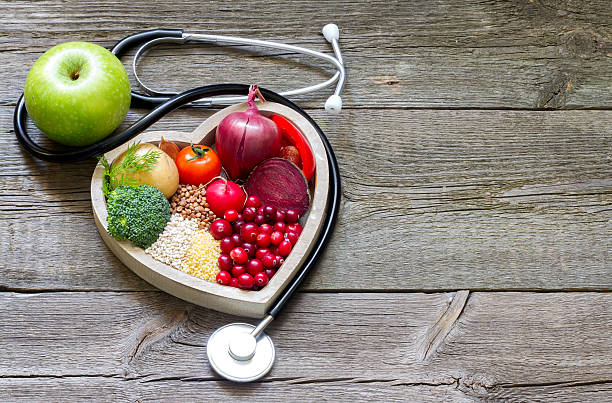
4. Meal and Snack Inspiration for Healthy Hair
Knowing what to eat is one thing — planning it is another. Here are a few easy meal ideas to make hair-friendly nutrition part of your daily life.
Breakfast For Healthy Hair
- Overnight oats with berries, Greek yoghurt, and chia seeds
- Poached eggs with spinach and avocado toast
Smoothie made with banana, kale, and almond milk.
Lunch and Dinner Suggestions for Hair Growth
- Grilled salmon with quinoa and mixed vegetables
- Chicken and lentil stew with carrots and kale
- Chickpea curry served with sweet potato and brown rice.
Snacks and Drinks
- A handful of mixed nuts and seeds
- Herbal tea or green tea
- Cucumber-lemon infused water throughout the day
Consistency is key — the effects of improved nutrition become visible after a few months of steady habits.
How Merchant City Medical Group Can Help You Make Hair-Healthy Choices
Nutrition is the foundation of good hair, but expert support can help you achieve real transformation. At Merchant City Medical Group, we combine dietary guidance with advanced hair restoration techniques for lasting results.
Personalised Nutritional Assessments
Our specialists evaluate your diet and health to identify any deficiencies that may be slowing your hair’s progress. You’ll receive tailored recommendations to improve both hair quality and scalp condition.
Combining Nutrition and Clinical Care
Whether you’re preparing for a hair transplant or recovering from one, the right nutrition plan enhances every stage of treatment. Our team ensures that your diet supports your body’s healing and regrowth process.
Book Your Consultation Today
Healthy, confident hair begins with expert guidance.
[Book your consultation with Merchant City Medical Group today] and take the first step toward stronger, fuller hair backed by both nutrition and medical expertise.
Final Thoughts
Hair health reflects what’s happening inside your body. By nourishing yourself with balanced meals, proper hydration, and the right supplements, you can naturally improve hair growth and resilience. When combined with professional support from Merchant City Medical Group, these habits create a robust foundation for long-term results and renewed confidence.
What medications are known to cause hair loss? Hair loss resulting from medication use is a distressing and often
FUE vs. FUT for Beard Transplant: Which Technique Gives Better Results? A complete, well-shaped beard has become an
Excellence Record
- 30+ Years of combined experience
- 10 + Experts
- 1000 + Satisfied Patients