
Can Hair Transplant Help Burn Victims?
Can Hair Transplant Help Burn Victims?
A Complete Guide to Restoration and Recovery
Hair loss after a burn injury can feel like a lasting reminder of what you’ve been through. For many people, it goes beyond appearance—it affects confidence, identity, and how comfortable you feel in everyday life. If you’re exploring solutions, you might be wondering whether a hair transplant for burn victims is actually possible and what kind of results you can expect.
The truth is, hair transplant on burn scars can deliver real, visible improvement—but outcomes vary depending on the condition of the skin, the technique used, and the expertise of the surgeon. From restoring a hairline to improving eyebrows or beard areas, burn scar hair restoration has come a long way in recent years.
In this guide, you’ll discover what to expect, who qualifies, and whether this treatment is the right step toward rebuilding your confidence.
Why Does Hair Stop Growing After a Burn?
When a burn on the scalp goes deep enough, it damages the hair roots under your skin. Once those hair follicles are destroyed, they can’t grow hair again on their own.
On top of that, the body forms scar tissue as it heals. This new skin is very different from normal skin, which makes it difficult for hair to grow back naturally. There’s also less blood flow in these areas, which further reduces the chances of regrowth.
Understanding Hair Loss After Burn Injuries
Burn injuries—especially deep or third-degree burns—can permanently damage hair follicles. When this happens, the body replaces normal skin with scar tissue, and hair can no longer grow naturally in that area.
This hair loss condition is known as scarring alopecia.
Which Areas are Usually Affected?
Hair loss after burns can happen in several visible areas, including:
- The scalp
- Eyebrows
- Beard
- Eyelashes
These areas tend to have the biggest impact on overall appearance.
How Does this Affect Confidence?
Hair loss after a burn isn’t just physical—it can take an emotional toll too. Many people feel less confident or become more self-conscious, especially when the hairline or face is involved.
It’s completely normal to feel this way, which is why finding a solution can be such an important step in the recovery journey.
Can Hair Transplants Work on Burn Scars?
Yes, hair transplant can work on burn scars—but they are more complex than standard procedures.
Unlike healthy skin, scar tissue has:
- Reduced blood supply
- Tougher texture
- Lower ability to support grafts
When Hair Transplant Works Best
Hair transplants are most successful when:
- The scar is fully healed (mature, soft, and pale)
- There is a good donor area (usually the back of the scalp)
- Expectations are realistic
In some cases, graft survival rates can vary widely, meaning results may not be as dense as natural hair.
Types of Hair Transplants for Burn Victims
Not all transplant methods work equally well on scar tissue. The technique chosen can make a big difference in results.
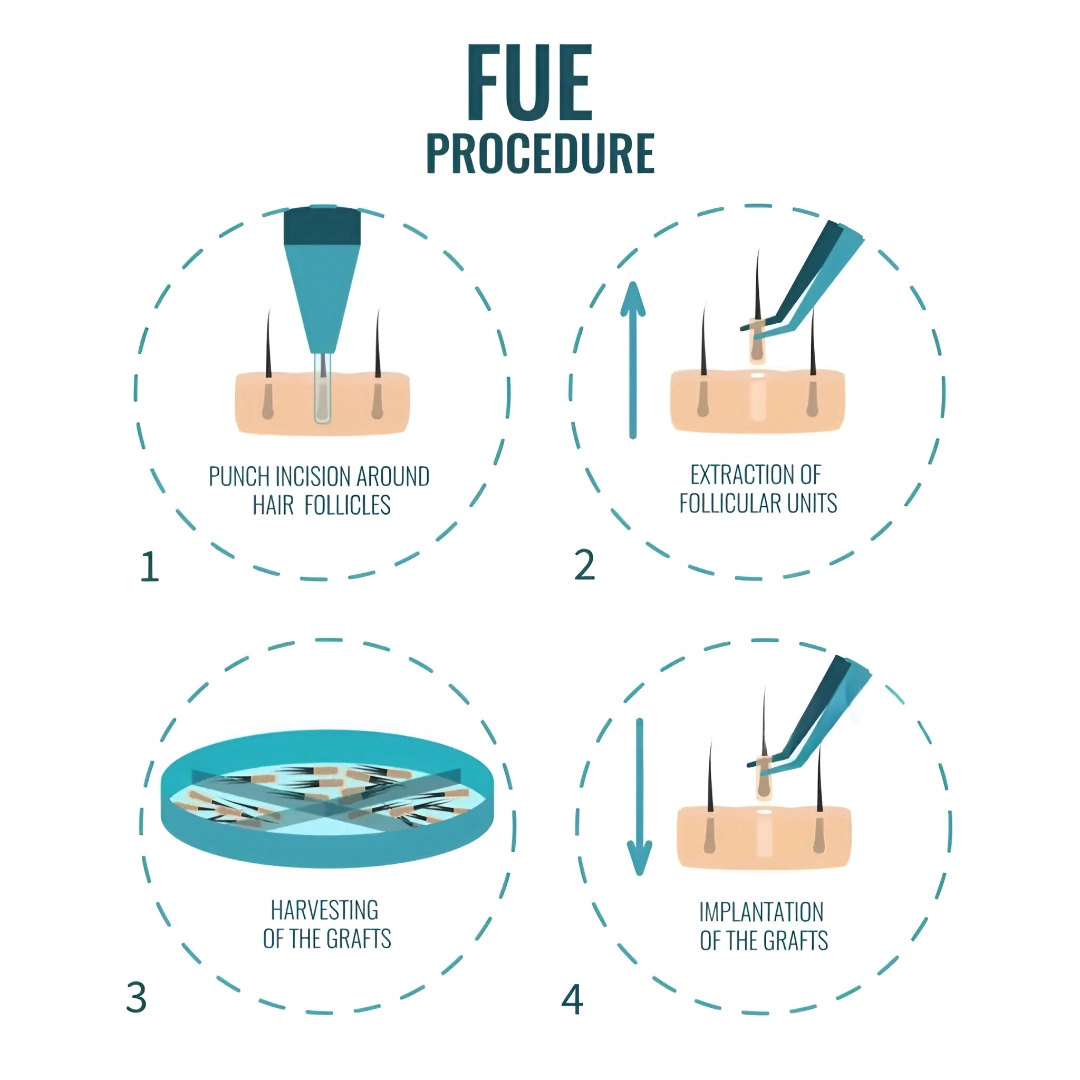
Follicular Unit Extraction (FUE)
- Individual hair follicles are extracted and implanted
- Minimally invasive
- Preferred for burn scars due to flexibility and precision
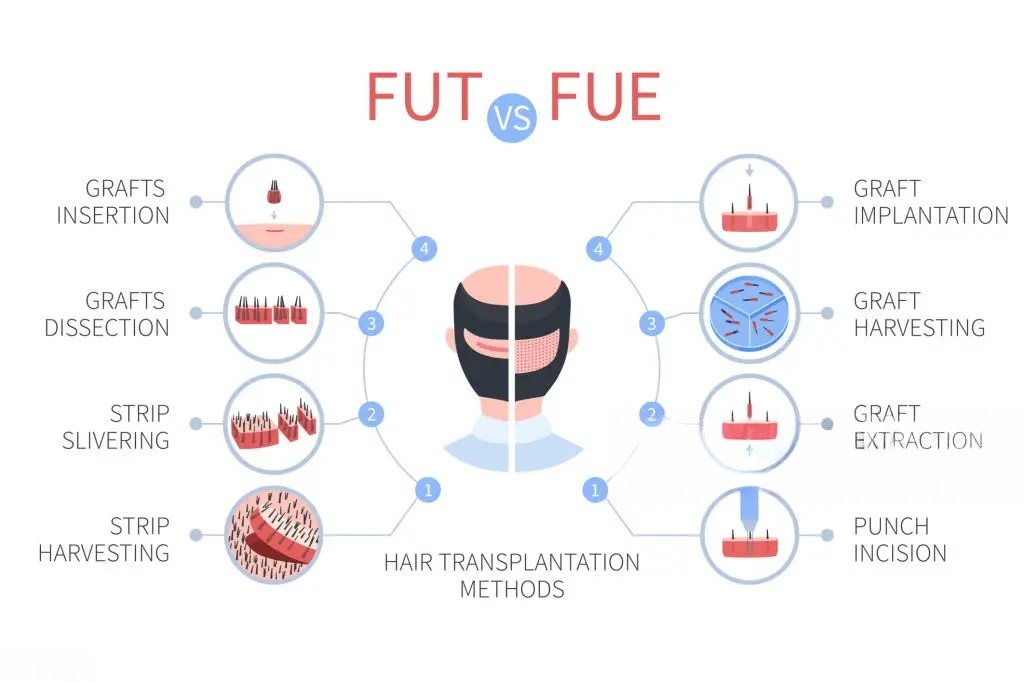
Follicular Unit Transplantation (FUT)
- With FUT, the surgeon removes a small strip of skin from the back of your scalp and then carefully separates it into individual hair grafts.
- This has the benefit of enabling the transplantation of many grafts in a single session. which can be useful in larger areas. session.
- The downside? It leaves a thin, linear scar where the strip was taken, which might not be ideal for everyone—especially if you prefer shorter hairstyles.
Advanced Techniques
Some specialists use modified approaches, like the following:
- Partial follicular unit grafting
- Lower-density implantation for better survival
Step-by-Step Process of Hair Transplant on Burn Scars
Here’s what the journey typically looks like:
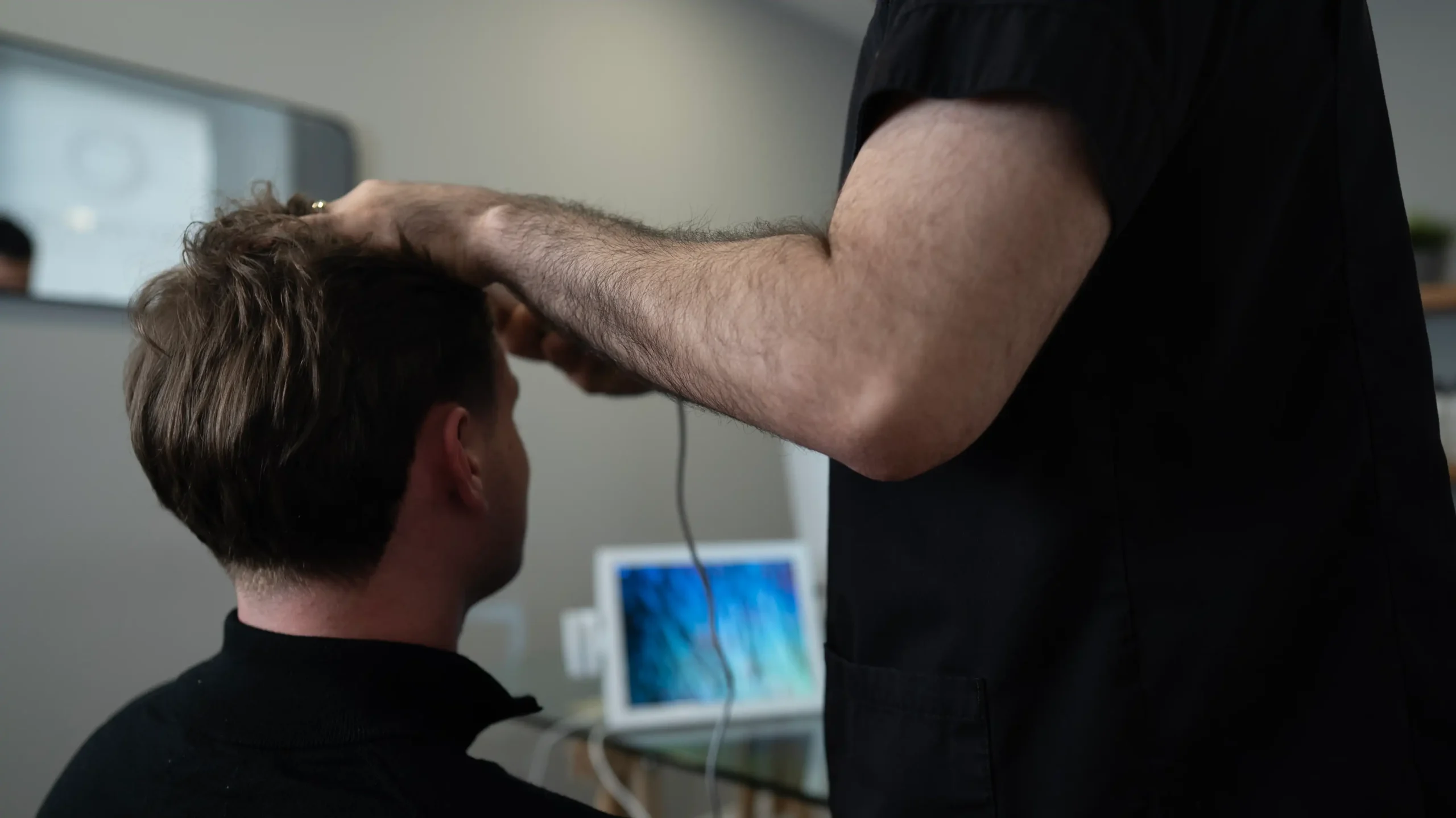
- Consultation – Your surgeon evaluates the scar and donor hair
- Scar assessment – Checks thickness, flexibility, and blood flow
- Planning – Determines graft number and design
- Procedure – Hair follicles are transplanted into the scar
- Healing phase – Scabs form and fall off within days
- Follow-up – Monitoring growth and planning additional sessions if needed
Before the Procedure: Key Requirements
Not everyone with burn scars is immediately a good candidate. There are a few essential conditions:
-
The Scar Must be Fully Healed
This usually takes 6–18 months after the injury.
-
Healthy Donor Hair
Usually, hair is removed from the sides or back of the head.
-
Adequate Blood Supply
New grafts must be able to be supported by scar tissue. Before surgery, doctors may sometimes suggest treatments to enhance this.
Results: What Burn Victims Can Expect
Hair transplants on scars can deliver life-changing improvements—but expectations need to be realistic.
Growth Timeline
- 3–4 months: Early growth begins
- 6–12 months: Noticeable results
- 12+ months: Full outcome
Density Expectations
- Usually, a lower-than-normal scalp
- Multiple sessions may be needed
Natural Appearance
With a skilled surgeon, results can look very natural—especially for:
- Hairlines
- Eyebrows
- Beards
For many patients, the benefits go beyond appearance:
- Restores a more natural look
- Improves confidence and self-esteem
- Offers a permanent solution
- Can be customized for different areas (scalp, beard, eyebrows)
Benefits of Hair Transplants for Burn Survivors
Risks and Limitations
Like any medical procedure, hair transplants on burn scars come with challenges.
Scar tissue doesn’t support hair as well as normal skin.
You may need more than one procedure to achieve the desired results.
- Infection
- Poor hair growth
- Uneven density
Choosing an experienced surgeon is critical to minimising these risks.
Alternatives to Hair Transplants for Burn Victims
If a transplant isn’t suitable, there are other effective options:
- Scalp Micropigmentation (SMP): Creates the look of hair using pigment
- Wigs and Hair Systems: Non-surgical and customizable
- Medical Tattooing: Common for eyebrow restoration
- Reconstructive Surgery: Used in severe cases to improve skin condition
Cost of Hair Transplants for Burn Victims
Costs vary depending on:
- Size of the scar
- Number of grafts needed
- Number of sessions required
Because these cases are more complex, they are often more expensive than standard hair transplants.
Success Rate of Hair Transplants on Burn Scars
Hair transplants can make a big difference—but they’re not magic.
- You’re aiming for improvement, not perfection
- Density will likely be lower than normal
- Results take time and patience
- Multiple procedures may be necessary
Understanding this upfront leads to much higher satisfaction.
Realistic Expectations: What Doctors Want You to Know
Success rates can vary widely.
Key factors include:
- Scar quality
- Blood supply
- Surgeon expertise
- Technique used
While some patients achieve excellent results, others may see partial growth—this is why proper evaluation is essential.
FAQs About Hair Transplants for Burn Victims
Not naturally, but transplanted hair can grow if the scar is suitable.
It’s usually done under local anesthesia, so discomfort is minimal.
It depends on the size and condition of the scar—some patients need multiple sessions.
Yes, transplanted hair is typically permanent if grafts survive.
Absolutely—these are common and often very successful procedures.
For the right candidate, hair transplants can be life-changing.
They offer:
- A permanent solution
- Improved appearance
- Restored confidence
However, success depends heavily on proper evaluation, technique, and expectations. When done by an experienced specialist, the results can be incredibly rewarding.
You should consider a consultation if:
- Your burn scar is fully healed
- You have noticeable hair loss in the affected area
- You’re looking for a long-term solution
A qualified professional can evaluate your circumstances and suggest the best course of action to achieve your objectives. Clinics like Merchant City Medical Group offer expertise in cutting-edge hair restoration techniques, including operations designed for burn injuries and scar tissue.
Booking a professional free consultation is the best first step. It will give you a clear understanding of what’s possible, how many sessions you may need, and exactly what kind of results you can realistically expect.
More Articles
Excellence Record
- 30+ Years of combined experience
- 10 + Experts
- 1000 + Satisfied Patients