


Hair Transplant for Receding Hairline: All You Need to Know
Hair Transplant for Receding Hairline
All You Need to Know
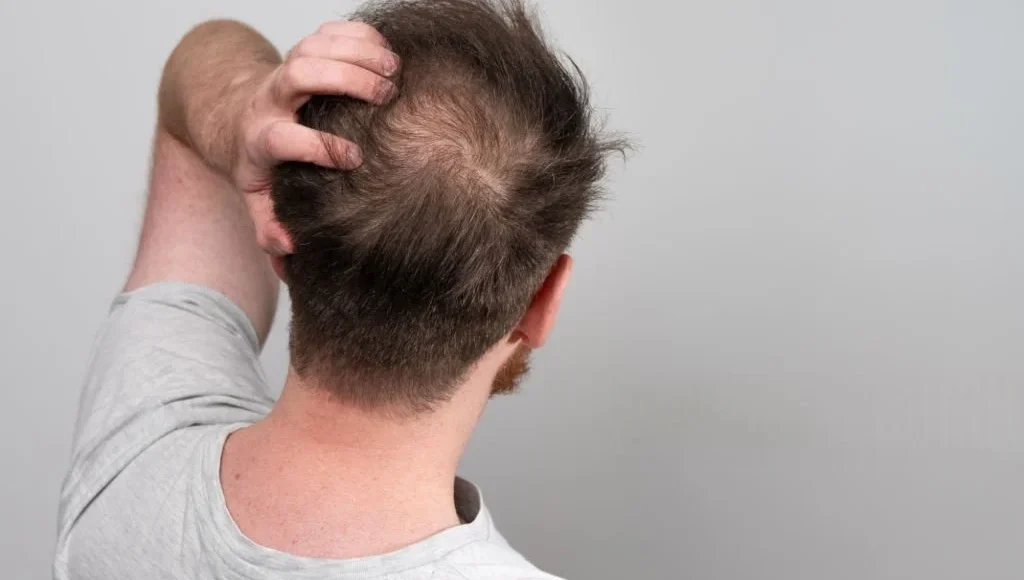
A receding hairline often starts subtly. You might glance in the mirror and think your forehead looks a little higher, or notice your temples aren’t quite as complete as they used to be. Over time, that slow retreat becomes more obvious — and for many men, and some women too, it’s the first clear sign of hair loss. Because the hairline frames the face, even small changes can affect how youthful, balanced, and confident you feel.
The encouraging news is that a receding hairline isn’t something you simply have to accept. Thanks to modern hair restoration, it’s now possible to recreate a natural, lasting hairline that blends seamlessly with your existing hair. With advanced methods such as FUE and FUT, patients in the UK can achieve results that are both permanent and undetectable. This guide covers everything you need to know — from causes and treatments to recovery, results, and cost.
In men
It typically starts with the temples thinning and the hairline forming an “M” shape.
Understanding a Receding Hairline
Before exploring treatments, it helps to know what’s happening when the hairline starts to retreat.
A receding hairline isn’t the same as a “maturing hairline,” which is a regular part of ageing in men, where the hairline shifts slightly higher in the late teens or early twenties. An actual receding hairline is caused by androgenetic alopecia, also popularly known as female or male pattern hair loss.
In women
It’s less common, caused by disorders such as frontal fibrosing alopecia or by traction alopecia from continuous tight styling.
Genetics play the most significant role, but hormones (particularly DHT), stress, diet, and certain health conditions can also accelerate the process. Left untreated, a receding hairline can continue to progress.
Non-Surgical Options in the Early Stages
Non-Surgical Options in the Early Stages
If your hairline has only just begun to thin, you may not need surgery straight away. Several non-surgical treatments can help slow progression and strengthen existing hair.
- Minoxidil (topical lotion or foam): Encourages blood flow to follicles and can extend the growth phase of hair.
- Finasteride (oral medication for men): Reduces DHT levels, slowing down hair loss.
- Platelet-Rich Plasma (PRP) therapy: Uses your own platelets, administered into the scalp, to stimulate follicle activity.
While these treatments can help maintain or thicken existing hair, they cannot reverse a receding hairline once the follicles have been lost. That’s where surgical options come in.
Surgical Options for a Receding Hairline
When the hairline has clearly receded, surgery offers the only permanent solution. There are two main procedures used in the UK today: hair transplants and hairline-lowering surgery.
Hair Transplant Surgery
Follicular Unit Extraction (FUE)
- Virtually no visible scarring
- Faster recovery
- Ideal for patients who want to keep their hair short
Follicular Unit Transplantation (FUT)
- Results in a fine linear scar at the back of the scalp.
- Best suited for patients experiencing more advanced hair loss.
Designing a Natural Hairline
Hairline Lowering Surgery
Another option is hairline-lowering surgery, also known as forehead reduction. This is different from a transplant: rather than moving follicles, the surgeon advances the existing hair-bearing scalp forward and removes a strip of forehead skin.
- Best suited for patients with a naturally high hairline or a prominent forehead, rather than those with genetic hair loss.
- Immediate results, though it is more invasive than a transplant.
- Leaves a scar along the new hairline (which can often be camouflaged with hair).
Recovery and What to Expect
One of the biggest questions patients have is: “What happens after the surgery?”
- First 2 weeks: Mild swelling, scabbing, and redness in the transplant area. Most patients return to work after 7–10 days.
- Weeks 3–6: Transplanted hairs often shed — this is normal and called “shock loss.”
- Months 3–4: New hair begins to grow. At first, it may be fine and wispy.
- Months 6–9: Noticeable thickening as the new hair matures.
- 12 months and above: Full results with permanent, natural-looking hair in place.
Proper aftercare — such as avoiding strenuous exercise for a couple of weeks, sleeping with your head elevated, and following your surgeon’s washing instructions — makes a big difference in recovery.
Risks and How to Avoid Them
Hair transplants today are considered safe, but as with any surgical procedure, there are risks. Common concerns include:
- Poor graft survival if an experienced team doesn’t perform the surgery
- An unnatural hairline design, when done by inexperienced surgeons
- Infection or scarring (rare when performed in a professional setting)
- Shock loss of surrounding native hair
The best way to reduce these risks is to choose a reputable clinic with proven experience in natural hairline design — not the cheapest option abroad, where standards may vary.
Cost of a Receding Hairline Transplant in the UK
The hair transplant cost is determined by the number of grafts needed.
- Early-stage receding hairline (500–800 grafts): From around £2,500 – £4,000 in the UK
- Moderate recession (1,500–2,500 grafts): £5,000 – £8,000
- Extensive restoration: £10,000+
Some patients are tempted by cheaper options abroad — for example, Turkey often advertises prices starting at £1,000. However, the difference usually comes down to surgical expertise, safety standards, and aftercare. In the UK, you’ll find that the focus is on natural design, ethical graft planning, and long-term success.
Who is a Good Candidate?
Not everyone with a receding hairline is ready for surgery. The ideal candidate:
- Shows a consistent, rather than fast-progressing, pattern of thinning.
- Has enough donor hair at the back or sides of the scalp
- Is in good general health
- Has realistic expectations about hair transplant density and results
For patients in their early twenties, surgeons may sometimes recommend waiting until the hair loss pattern stabilises. In contrast, older patients with well-defined hair loss often see more predictable results.
Special considerations also apply:
- Women with traction alopecia can be excellent candidates for treatment.
Afro-textured hair needs a surgeon experienced in working with tightly curled follicle structures.
Results: What You Can Expect
A successful hair transplant doesn’t just restore hair — it restores balance to your face and boosts confidence. Patients often say they look younger, more energetic, and feel more comfortable in social and professional settings.
Because transplanted follicles are resistant to balding, the results are permanent. That said, natural ageing and thinning of non-transplanted hair may continue, which is why long-term planning is so important. Some patients return years later for a second procedure to maintain hair density.
Merchant City Medical Group: Specialists in Natural Hairline Restoration
At Merchant City Medical Group, we understand just how personal hair loss can be. A receding hairline isn’t simply about losing hair — it’s about how you feel when you look in the mirror. That’s why we take a bespoke approach to every patient
Our surgeons specialise in FUE hair transplant surgery with a focus on creating natural, undetectable hairlines.
- We use advanced techniques to maximise graft survival and density while protecting your donor supply for the long term.
- Each patient is given tailored aftercare and follow-up to support a smooth recovery and achieve the best outcomes.
Whether you’re in the early stages of a receding hairline or ready for surgical correction, our team will guide you through every step — from consultation to long-term maintenance.

Final Thoughts
A receding hairline can feel discouraging, but it’s not something you have to accept. With today’s advanced hair transplant techniques, natural and permanent restoration is within reach. The key is choosing the right team, asking the right questions, and making an informed decision that prioritises long-term results over short-term savings.
At Merchant City Medical Group, we’re proud to help patients across the UK regain not just their hair, but their confidence. If you’re ready to explore your options, book a free consultation today and take the first step towards a restored hairline.
Excellence Record
- 30+ Years of combined experience
- 10 + Experts
- 1000 + Satisfied Patients


