

How to Prepare for Labiaplasty — Checklist and Expert Tips
How to Prepare for Labiaplasty — Checklist and Expert Tips
Preparing for labiaplasty is just as important as the procedure itself. While the surgery is relatively straightforward when performed by experienced specialists, proper preparation plays a major role in healing, comfort, and overall satisfaction with your results. Many women feel a mix of excitement and nervousness before surgery, which is completely normal — and having a clear plan can make all the difference.
This comprehensive guide walks you through everything you need to know before labiaplasty. It starts from understanding the procedure and planning your timeline to practical checklists and expert-backed preparation tips. Whether you are in the early research stage or already booked for surgery, this article will help you feel informed, confident, and fully prepared.
Understanding Labiaplasty Before You Prepare
Before diving into preparation, it’s essential to clearly understand what labiaplasty involves and what it can realistically achieve.
Different Labiaplasty Surgical Techniques (Trim vs Wedge)
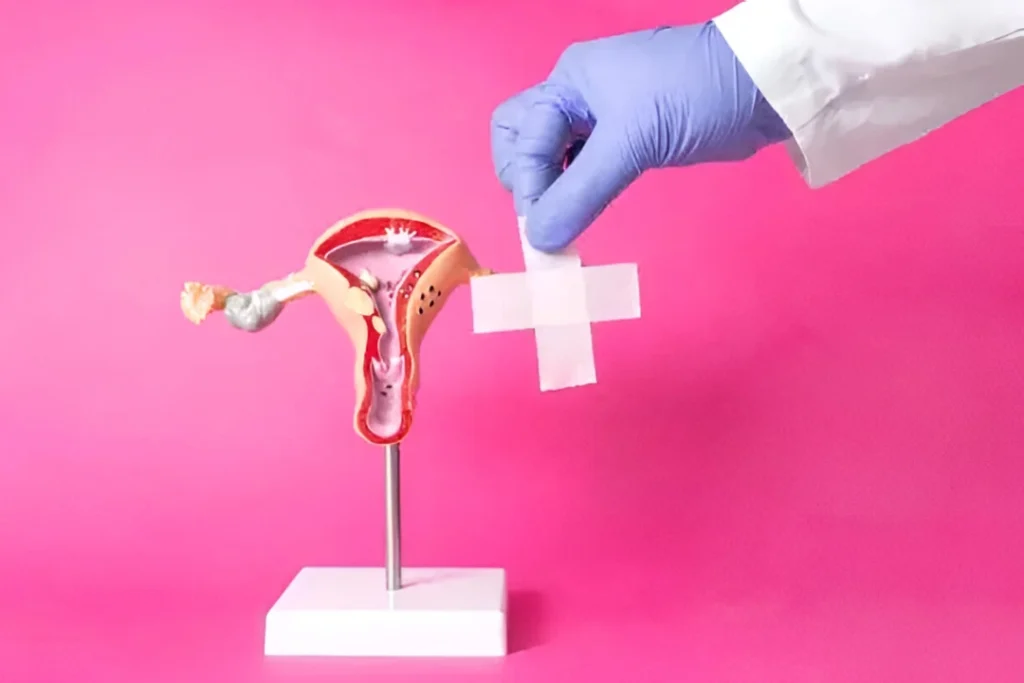
When going for Labiaplasty surgery, you might settle for one of the popular techniques. The two most commonly used techniques are the trim technique and the wedge technique. The trim technique removes excess tissue along the edge of the labia, while the wedge technique preserves the natural edge by removing a small V-shaped section from the centre. Your surgeon’s choice of technique depends on your anatomy, goals, and medical considerations. Understanding the approach planned for you helps you prepare mentally and practically.
What is Labiaplasty and Why Women Choose It
Labiaplasty is a surgical procedure that reshapes or reduces the labia minora to improve comfort and quality of life. Women choose it for practical reasons such as discomfort during exercise, irritation from tight clothing, hygiene difficulties, or feeling self-conscious about the appearance of the labia. For many, the goal is not aesthetics alone, but restoring everyday comfort and confidence.
Setting Realistic Expectations
Labiaplasty can significantly improve comfort and appearance, but it’s important to have realistic expectations. Swelling, sensitivity, and temporary changes are part of the healing process. Final results typically take several weeks — sometimes months — to fully settle.
When to Start Preparing for Labiaplasty. The Ideal Timeline
Did you know that quality sleep strengthens your immune system and helps regulate healing processes? Aim for consistent, restful sleep in the weeks leading up to surgery.
Weeks Before Surgery
Most surgeons recommend starting preparation at least 2–4 weeks before labiaplasty surgery. This allows time to make lifestyle adjustments, attend consultations, and organise recovery support.
What You Should Achieve Each Week
- 4 weeks before: Book consultations, disclose medical history, stop smoking
- 2–3 weeks before: Adjust medications, improve diet, arrange time off work
- 1 week before: Prepare your home, purchase recovery essentials
- The day before: Follow fasting and hygiene instructions carefully
Why Early Planning Improves Labiaplasty Outcomes
Early preparation reduces surgical risks, improves healing, and minimises last-minute stress. Women who plan often report smoother recoveries and greater peace of mind.
Pre-Operative Consultation and Planning
The Trim Technique is one of the most widely used approaches. It removes excess tissue along the edge of the labia minora, creating a neater, smoother contour.
Choosing the Right Clinic and Surgeon
Look for a clinic that is known to prioritise patient safety, experience, and personalised care. A reputable surgeon should take time to understand your concerns, explain options clearly, and never pressure you into a decision.
Questions to Ask During Your Consultation
Useful questions include:
- Which technique do you recommend for me, and why?
- What type of anaesthesia will be used?
- What risks should I be aware of?
- What does recovery realistically look like?
Medical Assessments and Clearances
You may be asked to undergo basic medical checks or provide information about medications, allergies, or previous surgeries. Full honesty ensures your safety.
Your Pre-Surgery Checklist — Practical Preparation Steps
Having a clear checklist helps you feel organised and in control.
-
Lifestyle Adjustments
If you smoke, stopping at least 4 weeks before surgery is strongly recommended, as smoking affects circulation and healing. Reducing alcohol intake and prioritising sleep also support recovery.
-
Medications and Supplements to Avoid
Some medications and supplements may increase the chance of bleeding. These often include aspirin, ibuprofen, vitamin E, fish oil, and some herbal remedies. Always follow your surgeon’s guidance before stopping any prescribed medication.
-
Fasting and Day-of-Surgery Rules
If your procedure involves sedation or general anaesthesia, you’ll be advised not to eat or drink for a set number of hours beforehand. This is essential for safety.
-
Personal Care and Hygiene Before Surgery
Gentle washing is recommended before surgery. Avoid waxing, shaving, or using harsh products close to the procedure date unless instructed otherwise.
Preparing Your Body — Nutrition, Rest & Stress Management
Your body heals best when well supported.
Healthy Eating for Healing
Focus on a well-balanced diet that’s rich in essential nutrients, fruits, vegetables, and whole foods. Protein supports tissue repair, while vitamins and minerals help reduce inflammation.
The Role of Sleep in Recovery
Getting enough quality sleep supports your immune system and helps regulate healing. Try to maintain consistent, restful sleep in the weeks before your surgery.
Tackling Anxiety Before Surgery
Feeling nervous is normal. Gentle exercise, breathing techniques, prayer or mindfulness, and open communication with your care team can help reduce anxiety.
Preparing Your Home and Support System

1. What to Arrange at Home
Prepare a comfortable recovery space with:
- Loose cotton underwear
- Sanitary pads (not tampons)
- Prescribed medications
- Ice packs (if recommended)
- Easy-to-prepare meals
2. Help You Should Line Up
You’ll need someone to drive you home after surgery and ideally stay with you for the first 24 hours. Emotional reassurance can be just as important as physical help.


Time Off Work and Daily Activities
Most women need several days off work, especially if their job involves sitting for long shifts or physical activity. Planning prevents unnecessary strain.
Day-of-Surgery Checklist and What to Expect
Knowing what to expect on the day can ease nerves.
-
What to Bring to Your Appointment
Bring identification, paperwork, a list of medications, and comfortable clothing that doesn’t press on the surgical area.
-
How to Prepare Your Body on the Day
Shower as instructed, avoid lotions or perfumes, and wear loose clothing. Follow all fasting and medication instructions carefully.
-
Practical Tips to Reduce Nerves
Arrive early, practise slow breathing, and remind yourself why you chose this step. Trust in your medical team and preparation.
Common Mistakes to Avoid Before Labiaplasty
Avoiding common pitfalls can protect your results.
Neglecting Your Support Network
Trying to “do everything alone” often leads to unnecessary stress. Accept help where possible.
Ignoring Important Medical Instructions
Skipping instructions about medication, fasting, or hygiene can increase complications or delay healing.
Underestimating Recovery Time
Even though labiaplasty is a minor surgery, your body still needs time to heal. Avoid rushing back into exercise or intimacy.
Ready for Labiaplasty — Your Checklist & Next Steps
Preparation doesn’t have to be overwhelming when broken into manageable steps.
Printable Pre-Surgery Checklist
Make sure you attend your pre-operative consultation so your surgeon can assess your needs, deeply explain the surgery, and answer any questions you may have.
If you smoke, it is important to stop a few weeks before your surgery, as smoking can disrupt blood flow and slow down the healing process.
Follow your surgeon’s advice on which medications and supplements to stop or adjust before surgery to reduce the risk of bleeding or complications.
Set up a comfortable, clean recovery area at home with loose clothing, sanitary pads, prescribed medications, and other essentials within easy reach.
Plan for someone to take you home after the procedure and, ideally, stay with you for the first 24 hours to provide assistance and reassurance.
Carefully follow all fasting and personal hygiene instructions provided by your surgical team to ensure your procedure is carried out safely.
Top Expert Tips for Confidence and Success
- Ask questions — no concern is too small
- Follow instructions precisely
- Be patient with healing.
- Focus on long-term comfort, not short-term swelling.
Ready to Take the Next Step?
Personalised, Patient-Centred Approach
Every woman’s goals are unique. We take time to understand your concerns, answer your questions, and explain which technique will achieve your desired result.

If you’re considering labiaplasty and want expert guidance, Merchant City Medical Group offers personalised consultations, discreet care, and experienced surgical expertise.
Book your free consultation today to discuss your goals, ask questions, and begin your journey with confidence.
7 Popular Myths About Labiaplasty Bursted Common myths about labiaplasty Labiaplasty is one of the most misunderstood
Read More
Excellence Record
- 30+ Years of combined experience
- 10 + Experts
- 1000 + Satisfied Patients