

What to Expect Before, during, and after the Labiaplasty Procedure for Women
Labiaplasty Procedure for Women
What to Expect Before, during, and after the procedure
Labiaplasty has become an increasingly sought-after procedure for women who want greater comfort, improved confidence, or relief from everyday physical irritation. For many, enlarged or uneven labia can cause rubbing during exercise, discomfort in fitted clothing, or self-consciousness during intimacy. Others simply want a more balanced appearance that feels right for their body. Whatever the reason, labiaplasty offers both functional and emotional benefits, helping women navigate their daily lives with ease and confidence.
As interest in the procedure grows, so does the importance of understanding exactly what to expect before, during, and after labiaplasty. The decision is personal, and having clear, reliable information can make the journey less overwhelming. From the initial consultation and preparation steps to the day of surgery and the stages of healing that follow, knowing what lies ahead allows you to feel confident and in control.
This guide breaks down every phase of the labiaplasty process in a straightforward, reassuring way. Whether you’re exploring the idea for the first time or preparing for your upcoming appointment, you’ll find everything you need to feel informed, supported, and ready for your procedure.
Explore how environmental factors like pollution, UV exposure, and climate conditions affect hair health. Learn effective strategies to protect your hair from environmental damage and maintain its vitality.
Understanding Labiaplasty and Why Women Choose It
Labiaplasty is a procedure designed to reshape or reduce the labia minora—the inner folds of skin around the vaginal opening. For many women, the decision is deeply personal and influenced by factors that can affect comfort, mobility, body confidence, and overall well-being.
Common Reasons for Considering Labiaplasty
For some women, the labia may rub or cause discomfort during activities like cycling, running, or even everyday walking. Others experience irritation from tight clothing or struggle with visibility in swimsuits or leggings.
Some women feel self-conscious due to natural asymmetry or changes caused by childbirth, ageing, or hormonal shifts. Labiaplasty can help restore comfort and balance.
Functional vs Aesthetic Benefits
While many see cosmetic improvements as welcome outcomes, the benefits of labiaplasty often go beyond appearance. Women frequently describe feeling more at ease in their clothing, more comfortable during exercise, and relieved from persistent irritation.
Setting Realistic Goals and Outcome Expectations
A consultation helps ensure that your expectations match what is achievable. Every woman’s anatomy is unique, so your surgeon will discuss how the procedure can improve comfort, reduce excess tissue, and enhance symmetry—while keeping results natural and in harmony with your body.
Key Steps Before Surgery
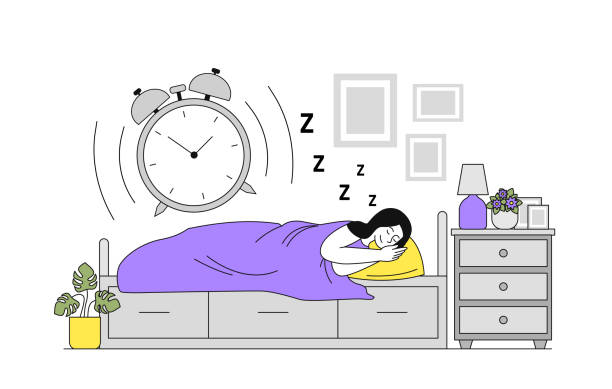
Preparation plays a huge role in ensuring a smooth experience and a comfortable recovery.
1. Your Initial Consultation and Medical Evaluation
This is your chance to ask any questions, express concerns, and understand what the surgery involves. Your doctor will assess your medical history, current health, goals, and suitability for the procedure.
You may be asked about your menstrual cycle, any previous surgeries, general health conditions, and medications you take.
2. Pre-operative Instructions and Lifestyle Adjustments
To support safe healing, you might be advised to:
- Avoid smoking and alcohol for a period leading up to surgery.
- Pause certain medications such as blood thinners (only under medical direction).
- Maintain stable hydration and a balanced diet.
These small steps help your body enter surgery in its best state.
3. Medications, Supplements, and Health Conditions to Discuss
Be honest about any supplements, herbal products, or medications you take. Even natural products can affect healing or bleeding, so your surgeon needs the whole picture.
4. Planning Your Home Recovery Environment
Because you’ll need to rest and minimise friction or pressure, it’s helpful to prepare ahead:
- Comfortable, loose clothing
- Gentle, unscented hygiene products
- Maternity pads
- Pillows for elevation
- Access to meals and support for daily chores
Setting this up beforehand makes the first few days far easier.
What Happens on the Day of Your Labiaplasty
The day of your procedure is usually straightforward and well-organised.
Arrival, Pre-Surgery Checks, and Consent
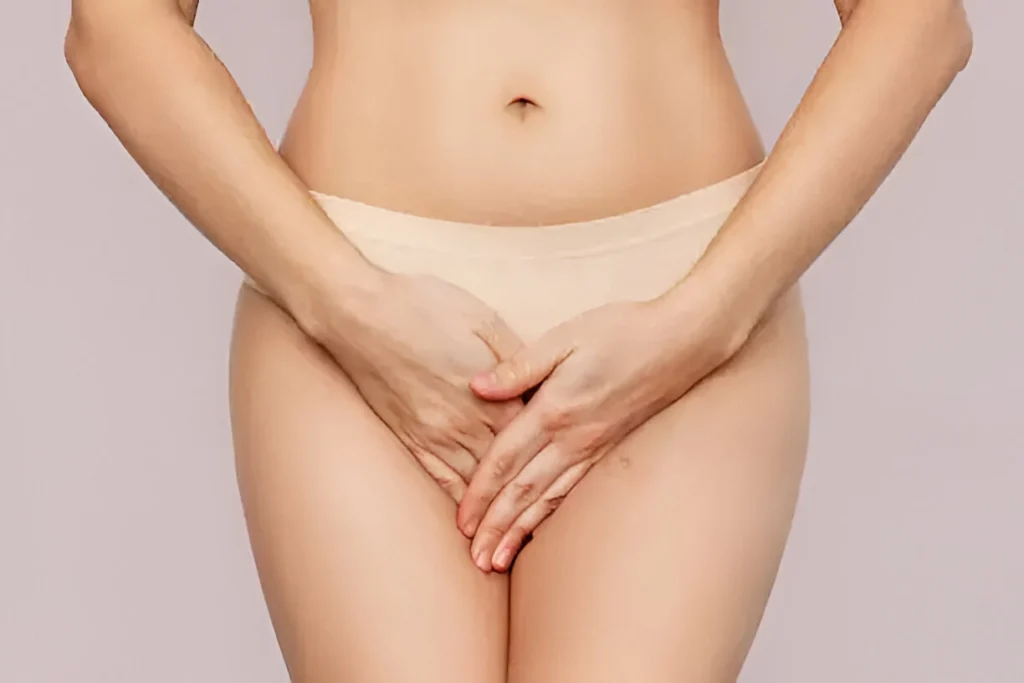
You’ll meet the medical team, review your consent form, and undergo final checks, such as blood pressure and a brief health review. This is also when you can ask any last-minute questions.
Anaesthesia Options and What They Feel Like
Most labiaplasty procedures are performed under local anaesthesia with mild sedation. This keeps you relaxed and comfortable while ensuring you’re safe and stable throughout.
Surgical Techniques Your Surgeon May Use
Depending on your anatomy and goals, different methods may be used. Your surgeon will choose the approach that offers the most natural, balanced outcome while maintaining sensitivity and function.
How Long Does the Procedure Take and What Happens Immediately Afterwards
Surgery usually lasts between one and two hours. Once complete, dissolvable stitches are placed, and a light dressing is applied. After a brief monitoring period, you can go home the same day with your aftercare instructions in hand.
The First 48 Hours After Your Procedure
This is the most delicate stage and the one where rest truly matters.
Pain, Swelling, Bleeding, and What’s Normal
Some discomfort, swelling, or light spotting is completely expected. The area will feel tender, and it’s essential to avoid unnecessary movement. Cold compresses (as advised) and prescribed pain relief help manage early discomfort.
Wound Care, Hygiene, and Recommended Products
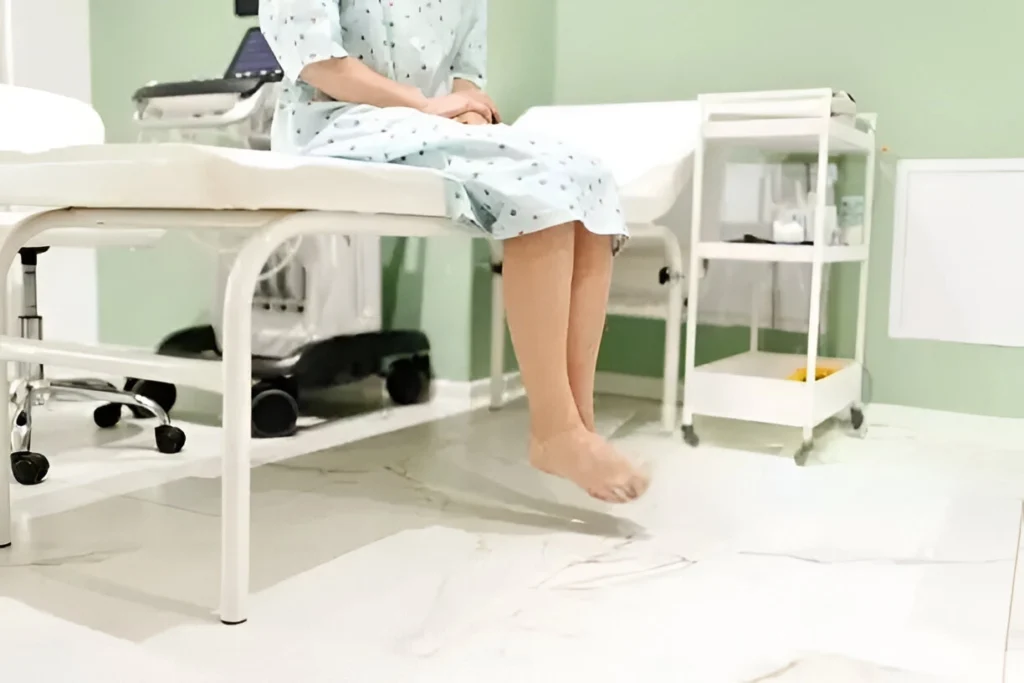
Keep the area clean using lukewarm water, especially after using the toilet. Avoid harsh soaps or scrubbing. Gently pat dry rather than wiping to prevent irritation. Your surgeon may recommend pads instead of underwear for the first day or two, depending on your comfort levels.
Movement, Rest, and What You Should Avoid
For the first 48 hours:
- Rest as much as possible
- Avoid sitting upright for extended periods.
- Wear loose clothing
- Avoid stretching or strenuous activity.
These small habits help prevent strain on healing tissues.
When to Seek Medical Attention
If you notice increasing pain not relieved by medication, heavy bleeding, fever, or unusual discharge, contact your surgeon immediately. Early reassurance or intervention can prevent complications.
Week 1 to Week 2: Early Healing and Restrictions
The initial tenderness begins to ease during this period, but it remains a sensitive stage.
Changes You Can Expect During These Weeks
Stitches begin to soften or dissolve, swelling gradually reduces, and the area becomes less tender. It’s normal to experience mild itching as healing progresses.
Managing Discomfort, Bruising, and Sensitivity
Over-the-counter pain relief is often enough. You can move around the house more freely, but avoid anything that causes pressure or friction.
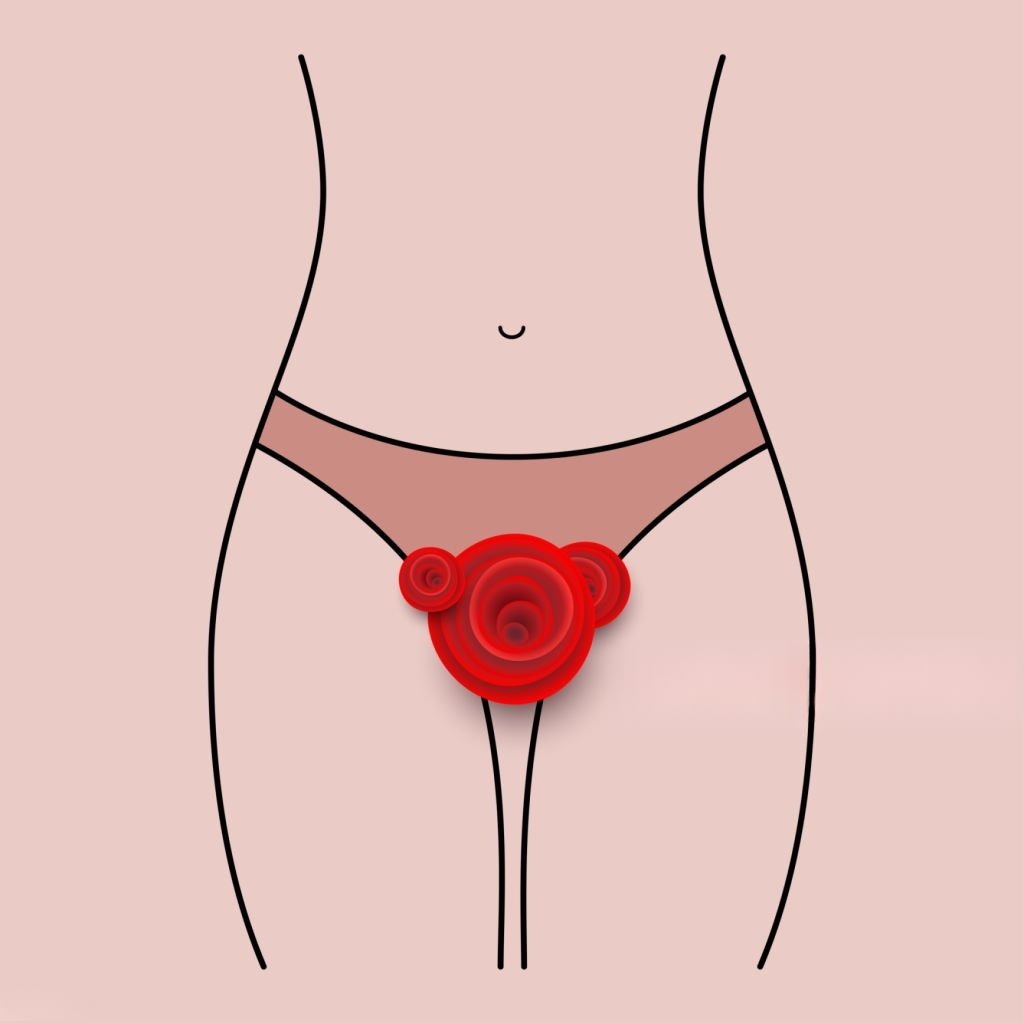
Returning to Work, School, or Light Activities
Many women feel comfortable returning to work after about a week, mainly if the role doesn’t involve strenuous movement. Walking is fine, but long distances or intense activities should still be avoided.
Hygiene, Clothing, and Daily Care Tips
Continue using mild products and patting the area dry. Loose cotton underwear and breathable clothing remain essential to avoid irritation.
Week 3 to Week 6: Gradual Healing and Resuming Normal Life
By this stage, most daily discomfort has settled.
Reduction of Swelling and Improved Comfort
Swelling reduces significantly between weeks three and four. You may begin to notice early glimpses of your final results, though they will continue to refine for months.
When You Can Resume Exercise and Physical Activities
Light exercise, such as gentle walking, can be resumed earlier, but activities involving pressure, stretching, or impact—such as running, cycling, or gym workouts—should wait until around weeks 4–6, depending on your surgeon’s advice.
When Sexual Activity and Tampon Use Are Safe Again
Sexual activity and internal products like tampons are usually safe after 4–6 weeks, once tissue has healed and you receive clearance. Patience during this time is essential, as early pressure can disrupt healing.
Follow-Up Appointments and Healing Checks
Routine check-ups ensure the tissue heals properly and allow your surgeon to address any concerns. This reassurance is invaluable throughout recovery.

Months 2 to 6: Final Results, Scarring, and Long-Term Care
Once past the early stages, the focus shifts to refinement and long-term comfort.
What Your Final Appearance May Look Like
The area gradually settles into its final shape. Swelling that seemed slow to resolve earlier often disappears almost entirely by the second or third month.
Scar Maturity, Sensation Changes, and Tissue Settling
Stitches dissolve fully, and scars continue to soften and fade. Sensation usually returns gradually, though every woman’s healing timeline varies slightly.
Long-Term Hygiene and Lifestyle Tips for Comfort
Comfortable underwear, gentle grooming habits, and avoiding excessive friction or harsh products all contribute to long-term comfort and healthy tissue.
When to Consider Touch-Ups or Additional Treatments
Most women require only one procedure. If you desire further refinement or additional aesthetic improvements, we can discuss them during follow-up appointments.

Thinking About Labiaplasty? Speak to Merchant City Medical Group
Choosing the right clinic is one of the most critical steps in this journey. At Merchant City Medical Group, every patient is treated with care, confidentiality, and professionalism. Our team understands how personal this decision is and ensures that you feel supported from the moment you get in touch.
Why Choosing an Experienced Clinic Makes All the Difference
You deserve a team that values both safety and aesthetics. With experienced specialists, you can feel confident that your comfort, well-being, and long-term satisfaction are at the heart of every decision.
Your consultation is relaxed, private, and entirely focused on you. We discuss your goals, assess your anatomy, explain the procedure clearly, and create a personalised treatment plan.
We pride ourselves on honesty, compassion, and clear communication—no pressure—just guidance to help you make the decision that feels right.
If you’re ready to take the next step or want to explore your options, Merchant City Medical Group is here to help, and we offer a free consultation. Call us today and begin your journey towards greater comfort and confidence.
7 Popular Myths About Labiaplasty Bursted Common myths about labiaplasty Labiaplasty is one of the most misunderstood
Read More
Excellence Record
- 30+ Years of combined experience
- 10 + Experts
- 1000 + Satisfied Patients