Merchant City Medical Group offers surgical and non-surgical cosmetic procedures, from our state of the art clinics throughout the UK & Europe.

Latest From Blog

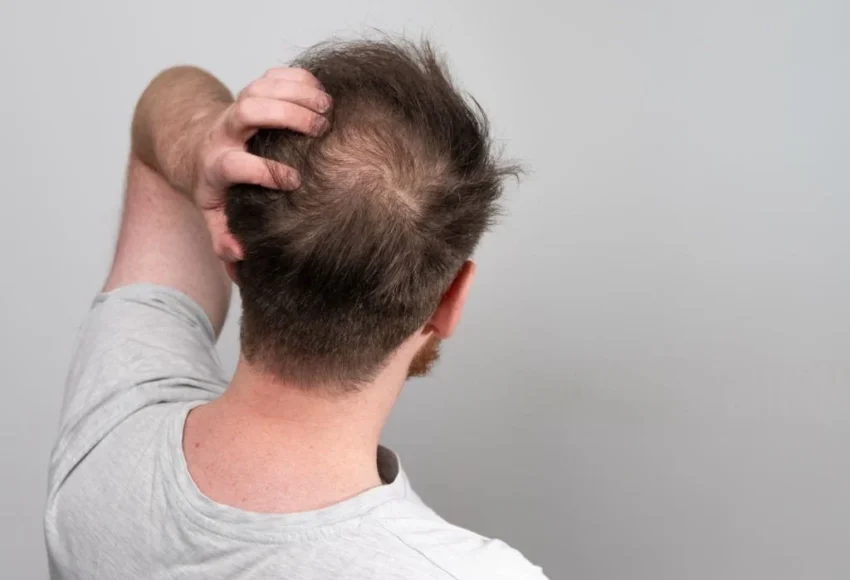
How Scalp Micropigmentation Complements Hair Transplant

Hair Transplant How Scalp Micropigmentation Complements Hair Transplant Discover how SMP works alongside hair transplant to
Read More

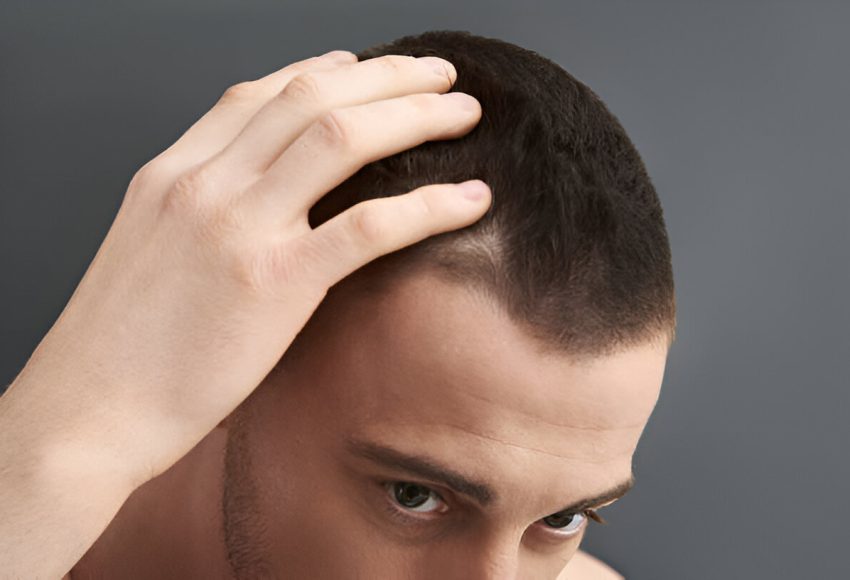
Hair Transplant Density: What is it and Why Does it Matter?

What is it and Why Does it Matter? Hair Transplant Density Discover what hair transplant density means—how many grafts
Read More

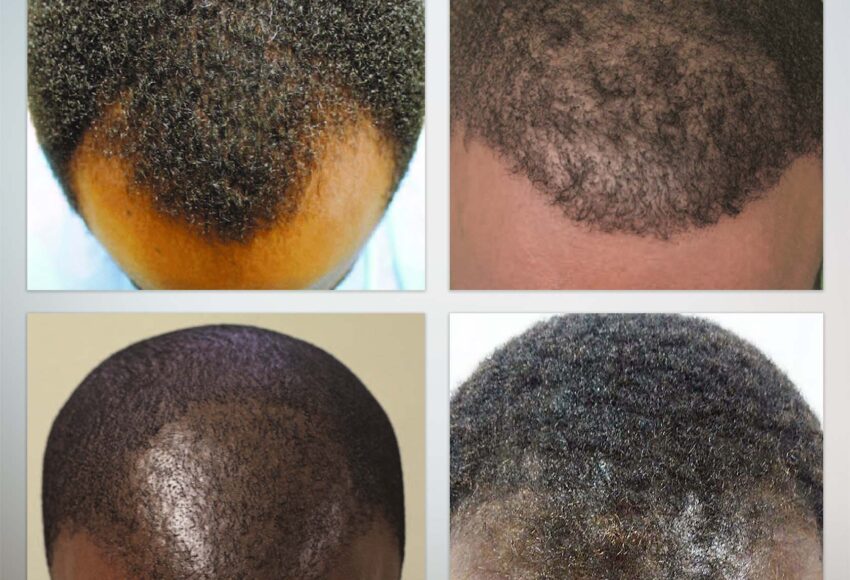
Hair Transplant for Afro-Textured Hair: Unique Considerations

Hair Transplant for Afro-Textured Hair: Unique Considerations Hair Transplant Challenges for Afro-Textured Hair Learn the
Read More

How to Sleep After a Hair Transplant: A Day-by-Day Guide

How to Sleep After a Hair Transplant A Day-by-Day Guide Learn how to sleep safely after a hair transplant with a
Read More

How Long Does a Hair Transplant Last? Long-Term Results Explained

How Long Does a Hair Transplant Last? Long-Term Results Explained Wondering how long hair transplant results last? Learn
Read More

What Is a Giga Session in Hair Transplantation? Pros and Cons

What Is a Giga Session in Hair Transplantation? Pros and Cons Learn what a Giga Session hair transplant is—transplanting
Read More

The Impact of Environmental Factors on Hair Health

The Impact of Environmental Factors on Hair Health Our hair often reflects our overall health Explore how environmental
Read More

Shampoo and Hair Care Tips After a Hair Transplant

Shampoo and Hair Care Tips ​ After a Hair Transplant Discover essential shampoo and hair care tips to ensure optimal
Read More

Understanding the Hair Growth Cycle: An Essential Guide

Understanding the Hair Growth Cycle An Essential Guide Discover the four stages of the hair growth cycle—anagen, catagen,
Read More
1 2 3 4 5 10

Cosmetic Procedure Screening Questionnaire

It can be used as a screening questionnaire to tell whether you might have BDD.

1) How often do you do you deliberately check your feature(s)? Not accidentally catch sight of it. Please include looking at your feature in a mirror or other reflective surfaces like a shop window or looking at it directly or feeling it with your fingers.
2) To what extent do you feel your feature(s) are currently ugly, unattractive or ‘not right’?
3) To what extent does your feature(s) currently cause you a lot of distress?
4) How often does your feature(s) currently lead you to avoid situations or activities?
5) To what extent does your feature(s) currently preoccupy you? That is, you think about it a lot and it is hard to stop thinking about it?
6) If you have a partner, to what extent does your feature(s) currently have an effect on your relationship with an existing partner? (e.g. affectionate feelings, number of arguments, enjoying activities together). If you do not have a partner, to what extent does your feature(s) currently have an effect on dating or developing a relationship?
7) To what extent does your feature(s) currently interfere with your ability to work or study, or your role as a homemaker? (Please rate this even if you are not working or studying: we are interested in your ability to work or study.)
8) To what extent does your feature(s) currently interfere with your social life? (with other people, e.g. parties, pubs, clubs, outings, visits, home entertainment)
9) To what extent, do you feel your appearance is the most important aspect of who you are?

Do I have BDD?

Body Dysmorphic Disorder

You have scored 0

When you score more than 40 points, this is an indication that you likely have Body Dysmorphic Disorder. However, this is not a formal diagnosis. This test can also be used after a treatment to see if symptoms have improved.

What now?

For more information on BDD and support, you can contact us.

If you are a UK resident, we suggest:

    • reaching out to your GP for more help
    • self-refer to NHS Talking Therapies.

When speaking to a health professional, you may present your clinic history or a printed form to clearly outline the symptoms you’ve experienced.